Most successful retailers thrive by implementing effective operations management strategies. By adhering to these 10 best practices, you can streamline your processes, enhance customer experience, and improve overall profitability. From optimizing inventory management to leveraging technology, these actionable insights will empower you to take your retail business to the next level. Dive in and discover how you can transform your operations for better efficiency and success.
Key Takeaways:
- Implement efficient inventory management systems to optimize stock levels and reduce costs.
- Enhance customer experience through personalized services and streamlined checkout processes.
- Utilize data analytics for informed decision-making and performance tracking.
Understanding Retail Operations
Effective retail operations encompass all activities that contribute to providing customers with a seamless shopping experience. They include supply chain management, inventory control, customer service, and sales processes, all of which need to be coordinated to maximize efficiency and profitability. An understanding of these operations allows you to enhance performance and customer satisfaction while reducing costs.
Definition and Importance
Retail operations management refers to the practices and processes businesses use to ensure smooth daily operations within the retail environment. Its importance lies in the ability to streamline processes that lead to an improved customer experience, higher employee productivity, and ultimately greater profitability. By mastering retail operations, you position your business for sustained growth in a competitive market.
Key Components of Retail Operations
Several components define successful retail operations, including inventory management, supply chain logistics, staffing, customer engagement, and performance measurement. Each element plays a vital role in ensuring your retail business runs efficiently and meets customer expectations. Understanding and optimizing these components empowers you to pinpoint areas for improvement and drive overall retail success.
Your retail operations hinge on key components such as inventory management, where accurate stock levels directly affect sales and customer satisfaction. Effective supply chain logistics ensure goods are delivered promptly, reducing wait times for customers. Staffing strategies, including training and scheduling, impact service quality and operational efficiency. Customer engagement tactics, from personalized marketing to loyalty programs, enhance brand loyalty. Finally, performance measurement tools, like sales analytics and KPIs, help you track progress, allowing for informed decision-making and continuous improvement.
Efficient Inventory Management
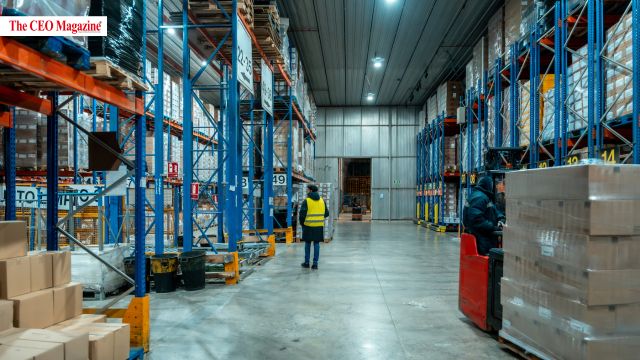
Your approach to inventory management significantly impacts your bottom line. Efficient inventory systems help maintain the optimal stock levels, ensuring that you meet customer demands without overstocking. Employing practices like regular inventory audits, demand forecasting, and supplier relationship management allows you to keep track of stock movement and mitigate losses due to excess or obsolete inventory. This not only lowers costs but also enhances customer satisfaction by ensuring product availability.
Stock Control Techniques
Implementing effective stock control techniques is important for managing your inventory efficiently. Techniques such as First-In-First-Out (FIFO) and Just-In-Time (JIT) ensure that you rotate stock effectively and reduce waste. Cycle counting and safety stock levels further streamline inventory management, allowing you to minimize stock shortages and optimize storage costs. Regularly reviewing these techniques ensures adaptation to changing market conditions.
Utilizing Technology for Inventory
Leveraging technology in inventory management can significantly enhance your operational efficiency. Point-of-sale (POS) systems, inventory management software, and mobile applications provide real-time visibility into stock levels and sales trends. These tools automate tracking, enabling you to make data-driven decisions and react swiftly to market demands.
Integrating advanced technologies like RFID tagging and cloud-based inventory systems can transform your inventory management process. For example, RFID technology allows for automated tracking of products throughout the supply chain, reducing manual errors and improving accuracy in stock counts. Cloud-based systems offer seamless access to inventory data from anywhere, facilitating quick adjustments and enhanced collaboration among team members. By harnessing these technologies, you create a streamlined, responsive inventory management system that aligns with your business goals.
Customer Experience Strategies
Your ability to deliver exceptional customer experiences can significantly influence loyalty and sales. This involves understanding customer needs, creating engaging in-store environments, and fostering connections that keep them coming back. By regularly analyzing feedback and leveraging technology, you can tailor experiences that resonate with your clientele, ultimately driving stronger relationships and better business outcomes.
Enhancing In-Store Experience
Personalized Customer Engagement
Personalized engagement involves tailoring your interactions based on customers’ behaviors and preferences. By employing data analytics, you can gain insights into shopping patterns and preferences, enabling you to offer customized recommendations and promotions. This targeted strategy fosters deeper connections, ensuring that customers feel valued and understood, thus enhancing loyalty and driving repeat visits.
Utilizing customer relationship management (CRM) tools allows you to track interactions and preferences effectively. For instance, sending personalized emails based on previous purchases can significantly increase engagement. Brands that adapt their communication-like suggesting complementary items-often see a notable spike in conversion rates. By investing in personalization, you’re not just enhancing customer satisfaction, but also generating measurable results, tapping into what today’s consumers increasingly expect in a retail environment.
Supplier Relationship Management
Effective supplier relationship management is key to maintaining a seamless supply chain and enhancing your overall retail operations. By prioritizing collaboration and mutual benefit, you can ensure consistency in quality, delivery, and cost. Establishing clear expectations and performance metrics fosters accountability and drives improvements, ultimately leading to a more resilient partnership. This proactive approach enables you to adapt to challenges and capitalize on opportunities together.
Building Strong Partnerships
Investing time in building strong partnerships with your suppliers leads to better negotiation outcomes and stronger strategic alignment. Engage in regular communication and collaborate on initiatives that add value to both parties. Consider joint ventures or co-innovation projects to deepen your relationship. A strong partnership provides a foundation for trust, ensuring that both you and your supplier can face market changes seamlessly.
Negotiation and Communication Strategies
Develop robust negotiation and communication strategies to optimize your supplier relationships. Emphasize transparency and approach discussions with a win-win mindset. Being open about your needs and constraints encourages suppliers to work towards mutually beneficial solutions. Employ clear, direct communication and active listening to foster an environment where issues can be discussed openly, paving the way for innovative problem-solving.
To refine your negotiation and communication strategies, utilize data-driven insights to back your proposals during discussions. For instance, showcasing delivery performance metrics or cost savings from previous collaborations can bolster your position. Additionally, consider leveraging technology such as collaborative platforms for real-time updates and feedback, which enhances engagement and minimizes miscommunication. By establishing a framework that emphasizes empathy and understanding, you can transform negotiations into a pathway for innovation and shared success.
Workforce Management
Managing your workforce effectively can enhance productivity and employee satisfaction. This includes optimizing labor costs while ensuring that your team is adequately supported to meet customer demand. By focusing on the right strategies, you can create a well-balanced environment that drives performance and boosts morale.
Staff Training and Development
Investing in staff training and development plays a vital role in enhancing operational efficiency. Empowering your employees with ongoing training equips them with the skills to handle diverse situations, ultimately improving customer service and retention. Regular workshops, online courses, and mentorship programs can foster a culture of continuous learning within your organization.
Scheduling and Labor Optimization
Effective scheduling and labor optimization maximize staff productivity and reduce unnecessary costs. By analyzing peak shopping hours and adjusting employee shifts accordingly, you can ensure adequate coverage without overspending on labor. Implementing workforce management software can simplify this process, providing insights that help you predict staffing needs accurately.
Investing in technology for scheduling and labor optimization not only increases efficiency but also enhances employee satisfaction. For example, using platforms like When I Work can allow staff to swap shifts seamlessly, leading to improved morale. Conducting regular reviews of labor demand based on sales data can help you adjust schedules proactively, ensuring you’re never under or overstaffed. In turn, this data-driven approach can lead to cost savings of up to 30% in labor expenses while also enhancing the overall employee experience.
Use of Technology in Retail
Leveraging technology is necessary for streamlining operations and enhancing customer interactions in retail. Advanced tools and systems help you manage inventory efficiently, analyze consumer behavior, and offer personalized experiences, ultimately boosting sales and operational efficiency.
Point-of-Sale Systems
Your point-of-sale (POS) system is at the heart of retail transactions, simplifying sales processing and inventory management. Modern POS systems integrate with other digital tools, providing real-time data on sales trends and customer preferences, allowing you to make informed decisions promptly.
E-commerce Integration
Integrating e-commerce seamlessly with your physical store operations can elevate your retail business. This approach enables a unified inventory system, synchronized pricing, and a consistent customer experience, regardless of where they shop-online or offline.
Effective e-commerce integration also involves utilizing platforms that allow for easy updates across your inventory and pricing strategies. For example, tools like Shopify or WooCommerce can connect directly to your existing POS systems, enabling you to automate stock updates and streamline order processing. Additionally, adopting technologies like omnichannel selling allows customers to buy online and pick up in-store, which not only enhances convenience but boosts foot traffic and sales in physical locations. By doing so, you foster a cohesive shopping experience that encourages loyalty and repeat business.
Summing up
As a reminder, adopting the 10 best practices in retail operations management can significantly enhance your store’s efficiency and customer satisfaction. By streamlining processes, maintaining strong supplier relationships, and leveraging technology, you position your business for sustained growth. Regularly analyzing performance metrics will also empower you to make informed decisions and refine your strategies. Implementing these practices not only drives operational excellence but also enriches your customer experience, ensuring your retail venture thrives in a competitive landscape.
FAQ
Q: What are the key elements of effective inventory management in retail operations?
A: Effective inventory management involves accurate forecasting, timely replenishment, real-time tracking, and implementing a lean inventory system. These elements help minimize stockouts and excess inventory, ensuring products are available when customers want them.
Q: How does employee training influence retail operations management?
A: Employee training is vital in retail operations as it enhances staff productivity, improves customer service, and reduces errors. Ongoing training programs enable employees to stay updated with best practices, technology, and customer engagement strategies.
Q: What role does data analytics play in optimizing retail operations?
A: Data analytics offers insights into customer behavior, sales trends, and inventory performance. Using these insights enables retailers to make informed decisions, streamline operations, optimize pricing strategies, and enhance overall business performance.