Principles of effective retail management are necessary for enhancing your business performance and ensuring customer satisfaction. Understanding these core principles will empower you to streamline operations, optimize inventory, and create an engaging shopping experience. By implementing these strategies, you can foster a thriving retail environment that drives sales and builds customer loyalty. This post will outline ten pivotal principles that every retail manager should embrace to succeed in today’s competitive market.
Key Takeaways:
- Understanding customer needs is vital for tailoring inventory and enhancing shopping experiences.
- Efficient inventory management optimizes stock levels, reducing costs and improving sales turnover.
- Strong employee training and engagement lead to better customer service and increased sales performance.
Understanding Customer Needs
Grasping the essence of what your customers want is indispensable for cultivating a successful retail strategy. By investing time in understanding their preferences, motivations, and pain points, you can create a shopping environment that resonates deeply and encourages loyalty. This goes beyond mere transactions; it builds a connection that keeps your customers returning.
Importance of Customer Insights
Gathering customer insights helps you gain a competitive advantage. You can make informed decisions that align with what customers genuinely value. For example, retailers who leverage data analytics can pinpoint trends and adjust their offerings accordingly, resulting in increased satisfaction and retention. This proactive approach can significantly boost your bottom line.
Tailoring Products and Services
When you tailor your products and services based on customer insights, you create personalized experiences that snipe at the heart of customer preferences. Offering customized solutions-such as personalized recommendations or exclusive products-can make customers feel valued, enhancing their shopping journey and establishing long-lasting relationships.
For instance, consider how companies like Amazon use extensive customer data to deliver personalized shopping experiences. By analyzing past purchases and browsing history, they suggest items that match individual preferences, increasing the likelihood of additional sales. Similarly, implementing loyalty programs can further personalize the shopping experience, offering discounts or rewards based on customer behavior and preferences. This not only drives sales but also fosters a sense of community and belonging among your customers.
Staff Training and Development
Investing in staff training and development is vital for achieving operational excellence and enhancing customer interactions. Providing your team with the right knowledge and skills not only boosts their confidence but also leads to increased sales and improved customer satisfaction. Tailoring training programs to address specific roles and responsibilities helps ensure that your staff is well-equipped to meet the demands of the retail environment.
Employee Empowerment
Empowering employees means giving them the authority and confidence to make decisions that enhance customer experiences. Encouraging autonomy allows your staff to address customer needs swiftly, ultimately leading to higher satisfaction rates. When employees feel trusted and valued, they are more likely to demonstrate initiative and create meaningful connections with customers.
Continuous Learning Opportunities
Continuous learning opportunities ensure that your staff remains updated on industry trends and best practices. By providing access to workshops, online courses, and seminars, you create an environment that fosters growth and adaptability. This not only enhances the skill set of your team but also positively impacts your business’s overall performance.
Continuous learning opportunities can take various forms, from in-house training sessions to industry conferences. For instance, companies like Starbucks invest in ongoing educational programs, allowing baristas to deepen their product knowledge and customer service skills. This commitment to learning has resulted in a more engaged workforce and higher customer loyalty. By prioritizing continuous education, you signal to your employees that professional development is valued, which can significantly reduce turnover rates and foster a more knowledgeable team.
Inventory Management
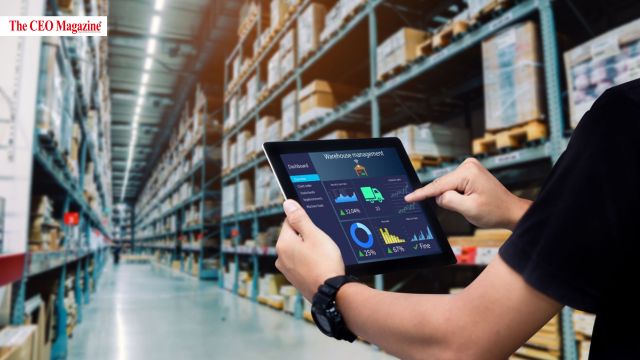
Effective inventory management ensures that you have the right products in stock at the right time, minimizing carrying costs while maximizing sales potential. Implementing robust strategies helps you avoid stockouts and overstock situations, both of which can hurt your bottom line. By leveraging technology such as inventory management software, you can track stock levels in real-time, enabling smarter purchasing decisions that align with customer demand and sales forecasts.
Optimal Stock Levels
Finding the sweet spot for optimal stock levels is vital for maintaining profitability. You need to analyze sales trends and seasonal variations to determine how much inventory to keep on hand. Utilizing metrics like turnover ratios can help you gauge the effectiveness of your stock management. This ensures you can meet customer expectations without tying up excessive cash in inventory.
Supply Chain Efficiency
Streamlining your supply chain enhances your ability to respond quickly to changing customer demands. Partnering with reliable suppliers and automating order processes can significantly reduce lead times. Additionally, establishing strong relationships with logistic providers allows for better coordination in delivery schedules, ensuring that you receive goods promptly and can maintain adequate stock levels.
Achieving supply chain efficiency often involves more than just speeding up deliveries; it also requires careful analysis of your entire logistics network. For example, implementing just-in-time inventory practices can minimize waste and improve cash flow. By collaborating closely with suppliers, you can adapt to market fluctuations promptly, ensuring that your shelves are stocked with in-demand products. Regularly reviewing and optimizing your supply chain processes allows you to stay ahead of competitors in the dynamic retail landscape.
Effective Store Layout
A well-designed store layout not only optimizes space but also influences customer behavior and purchasing decisions. By strategically organizing aisles, product displays, and checkout areas, you create an environment that encourages exploration and engagement. Incorporating elements like wide pathways, clear signage, and inviting displays can enhance your store’s flow, making it easier for customers to navigate and discover what they need.
Enhancing Customer Experience
Your store layout plays a significant role in enhancing the overall shopping experience. By creating inviting areas with comfortable seating, interactive displays, and sensory elements like lighting and music, you engage customers on a deeper level, fostering a positive atmosphere that increases dwell time and encourages impulse purchases.
Strategic Product Placement
Strategic product placement is key to maximizing sales potential. Positioning high-demand items at eye level or near checkout areas can lead to impulse buys. Seasonal promotions should be highlighted at the front of the store to capture attention immediately. You can increase visibility and sales by rotating products frequently and using end caps effectively.
Strategic product placement should be data-driven, utilizing sales analytics to identify best-sellers and customer preferences. For example, placing complementary items together-such as chips next to salsa-creates cross-selling opportunities that boost average transaction values. Implementing a planogram can help you visually organize products to maximize impact while optimizing space. Regularly assess performance metrics to adjust placements and ensure you adapt to changing consumer trends and preferences.
Pricing Strategies
Your pricing strategies directly influence customer perception and sales performance. A well-defined pricing approach not only drives profitability but also attracts the right customer base. Effective pricing involves understanding market conditions, competitor pricing, and customer willingness to pay, ultimately enhancing your store’s competitiveness while ensuring sustainable margins.
Competitive Analysis
Conducting a competitive analysis provides valuable insights into your market landscape. By examining competitor prices and promotional tactics, you can identify your unique value proposition and adjust your pricing strategy accordingly. This process not only helps you stay relevant but also enables you to capitalize on gaps in the market.
Value Perception
Your customers’ perception of value significantly impacts their purchasing decisions. Pricing that reflects quality and aligns with customer expectations fosters brand loyalty and repeat business. Establish a strong value proposition by justifying your prices through superior service, product features, or a unique shopping experience.
To enhance value perception, emphasize the benefits customers receive rather than just the product features. For instance, if you offer a premium product, convey that quality through your branding and customer testimonials. Consider offering bundle packages or loyalty programs that add perceived value to the purchase. Encouraging customers to see the worth in spending a little more can justify higher prices and strengthen their commitment to your brand.
Marketing and Promotion
Your marketing and promotion strategies play a pivotal role in connecting with customers and driving sales. By crafting effective campaigns that resonate with your target audience, you elevate brand awareness and foster customer loyalty. An aligned promotional push, whether through traditional media or digital channels, can dramatically enhance your store’s visibility and profitability.
Targeted Campaigns
Investing in targeted campaigns allows you to reach specific demographics effectively, ensuring your marketing efforts yield higher returns. Utilizing customer data and analytics, you can create personalized messages that align with consumer preferences, resulting in increased engagement and conversion rates.
Utilizing Digital Platforms
Harnessing the power of digital platforms is crucial for modern retail success. By leveraging social media, email marketing, and online advertising, you can engage customers where they spend a significant amount of their time. Strategies like retargeting ads and A/B testing enhance your ability to fine-tune messaging and maximize impact.
Effective use of digital platforms can lead to impressive results. For instance, brands employing targeted email campaigns have seen open rates as high as 20%-30%, translating to increased sales and customer retention. Additionally, businesses that actively engage with their audience on social media platforms have reported a 50% higher likelihood of making a sale compared to those that don’t. By adopting a multi-channel approach and utilizing analytics tools, you can optimize your campaigns, ensuring they resonate with your audience and drive measurable outcomes.
Conclusion
Upon reflecting on the 10 core principles of effective retail management, you gain valuable insights that can significantly enhance your operations. Emphasizing customer focus, strategic merchandising, and employee engagement will empower you to deliver remarkable shopping experiences. Furthermore, monitoring market trends and leveraging technology will keep your business competitive. By integrating these principles into your retail strategy, you can optimize performance and foster long-term success, ensuring your store remains a preferred choice for consumers.
FAQ
Q: What are the 10 core principles of effective retail management?
A: The 10 core principles include understanding customer needs, inventory management, employee training, creating a positive shopping environment, utilizing technology, effective pricing strategies, strong supplier relationships, marketing and promotions, financial management, and continuous improvement.
Q: How does inventory management contribute to effective retail management?
A: Effective inventory management ensures that a retail store maintains the right stock levels. This prevents stockouts and overstock situations, optimizes cash flow, and enhances customer satisfaction by meeting demand.
Q: Why is employee training important in retail management?
A: Employee training enhances staff knowledge and skills, leading to improved customer service, better sales techniques, and increased employee motivation. Well-trained employees are more capable of addressing customer concerns and boosting store performance.