Many emerging D2C startups are revolutionizing the Indian retail landscape, offering you innovative products and personalized shopping experiences. As you explore the evolving market, you’ll discover how these brands leverage technology to connect directly with consumers, bypassing traditional retail channels. This blog post highlights 10 influential D2C startups that are not just altering your shopping habits but also setting new standards in customer engagement and brand loyalty. Get ready to examine a world where your preferences shape the retail experience.
Key Takeaways:
- D2C startups in India are disrupting traditional retail with unique product offerings and direct customer engagement.
- Innovative business models and digital marketing strategies allow these startups to efficiently reach and retain their target audience.
- Customer experience and personalization are prioritized, driving loyalty and repeat purchases in an increasingly competitive market.
Overview of D2C Model
The D2C model empowers brands to sell directly to consumers, bypassing intermediaries. This approach enhances brand control and customer relationships, allowing you to receive real-time feedback and insights. By leveraging digital platforms, D2C startups can efficiently scale and adapt to market demands, ultimately fostering brand loyalty and creating unique customer experiences.
Definition and Benefits
D2C, or Direct-to-Consumer, refers to a sales model where brands sell directly to shoppers without retail intermediaries. This model eliminates middlemen, reducing costs and allowing you to enjoy better pricing. Benefits include increased profit margins, enhanced customer experiences, and direct access to consumer data, enabling you to personalize offerings and build more meaningful connections.
Rise of D2C in Indian Market
The Indian market has witnessed a significant surge in D2C brands, with estimates suggesting their market size could reach $100 billion by 2025. Increased internet penetration, smartphone usage, and changing consumer behavior have catalyzed this growth. Notable startups like Licious and Mamaearth have successfully created niche markets and disrupted traditional retail by offering high-quality products and transparent sourcing, which resonate well with today’s conscious consumers.
The rise of D2C in the Indian market is fueled by several factors including the expansion of e-commerce, heightened awareness around brand authenticity, and a shift towards health-conscious products. For instance, brands like Zivame and The Man Company have tapped into evolving consumer preferences, emphasizing good quality and unique offerings. With a substantial young population actively seeking personalized experiences, D2C startups can engage you directly through innovative marketing strategies, social media influence, and targeted advertising, leading to more loyal customer bases.
Case Study: Notable D2C Startups
Examining notable D2C startups offers insights into how they are reshaping the retail landscape in India. Each of these brands exhibits unique strategies that drive engagement and create meaningful connections with consumers, ultimately setting new benchmarks in customer experience.
Startup 1: Brand Overview
This startup has made its mark in the health and wellness sector, focusing on organic products that promote a healthy lifestyle. They leverage social media to inform customers about their offerings and integrate customer feedback into product development.
Startup 2: Brand Overview
Known for its customizable skincare solutions, this D2C brand utilizes technology to analyze individual skin types, offering tailored products that meet unique consumer needs. Their direct communication fosters strong brand loyalty, further enhancing the customer experience.
This startup effectively combines technology with skincare to empower you to achieve your best skin. With an easy-to-use online quiz, the brand gathers data on your skin type and concerns, leading to a personalized regimen. Their marketing is heavily driven by user-generated content, encouraging you to share results and engage directly with the community, increasing trust and customer retention.
Startup 3: Brand Overview
This fashion brand focuses on sustainable materials to create stylish apparel for the modern consumer. Its transparent supply chain allows you to feel good about your purchase, knowing it supports ethical practices.
With a commitment to sustainability, this startup innovatively uses recycled materials and eco-friendly production methods. They aim to keep you informed about their processes through storytelling on their platform. Engaging with your interests and values, the brand advocates for responsible fashion choices, proving that style and ethics can indeed coexist.
Impact on Traditional Retail
D2C startups have fundamentally altered the dynamics of traditional retail, forcing established players to rethink their strategies. With a direct line to consumers, these brands often offer better prices and a personalized shopping experience, which can entice consumers away from conventional stores. As a result, many traditional retailers are increasingly adopting omni-channel strategies to compete, integrating both physical and digital avenues to retain customer loyalty.
Disruption in Marketing Strategies
Your brand’s marketing strategies now face heightened competition from innovative D2C startups, reshaping the advertising landscape. These startups emphasize digital-first approaches, which leverage social media, influencer partnerships, and targeted online campaigns. Traditional retailers are now compelled to adapt and invest in similar digital marketing tactics to engage with consumers on platforms they frequent.
Changes in Consumer Behavior
The rise of D2C startups has shifted consumer behavior dramatically, as customers increasingly expect convenience and personalized experiences. This trend is visible in the growing preference for online shopping and direct interactions with brands, which prioritize customer feedback and community engagement. As a result, traditional retailers must adapt to these evolving expectations to maintain relevance.
As consumers enjoy the convenience and tailored experiences offered by D2C brands, they display a noticeable shift in their purchasing habits. There’s a rising demand for authentic brand stories and transparency regarding product sourcing. Furthermore, online shopping’s growth has led to increased expectations for quick delivery times and responsive customer service. You can see this reflected in the fact that research shows over 70% of consumers prefer interacting with brands that engage with them directly and provide seamless online experiences. Keeping pace with these preferences is vital for traditional retailers to survive in this shifting landscape.
Technology and Innovation in D2C
In the rapidly evolving D2C landscape, technology and innovation play pivotal roles in enhancing customer experience and streamlining operations. Startups leverage cutting-edge tools like AI and augmented reality to create personalized shopping journeys. By integrating innovative solutions into their business models, they can respond swiftly to changing market demands and consumer preferences, ultimately boosting their competitive edge.
Role of E-commerce Platforms
E-commerce platforms serve as the backbone for your D2C strategy, offering seamless integration of sales channels and payment solutions. These platforms enable brands to establish their online presence and directly connect with consumers, bypassing traditional retail structures. By utilizing platforms like Shopify or WooCommerce, you can efficiently manage inventory, track orders, and enhance the overall shopping experience.
Utilization of Data Analytics
Data analytics empowers D2C brands to glean insights from consumer behavior, driving smarter marketing and product decisions. By analyzing purchasing trends and customer feedback, you can refine your offerings and target marketing efforts more effectively. This approach not only optimizes sales strategies but also fosters deeper customer relationships.
Through data analytics, D2C startups can identify patterns in consumer preferences and optimize pricing strategies accordingly. For instance, analyzing website traffic and conversion rates allows you to determine the most effective marketing channels. Brands like Licious and Mamaearth utilize data to personalize user experiences, increasing customer satisfaction and loyalty. The ability to react in real-time to trends, whether it’s altering a product line or adjusting marketing messages, gives you significant advantages in a highly competitive market.
Challenges Faced by D2C Startups
D2C startups in India confront various challenges that can impede growth and sustainability. From navigating regulatory hurdles to adapting marketing strategies, these obstacles require agile approaches and innovative solutions. Understanding the landscape is important for any startup aiming to carve out a niche in this competitive environment.
Market Competition
The D2C landscape is increasingly saturated, with brands vying for consumer attention. You face threats not only from established retailers but also from new entrants emerging daily. This fierce competition demands differentiated offerings and effective branding strategies to cut through the noise and build consumer loyalty.
Logistics and Supply Chain
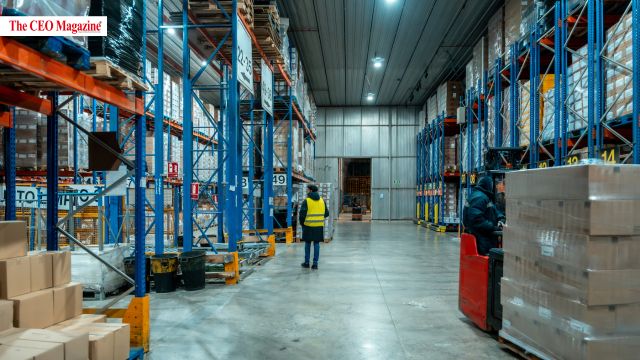
In the D2C space, efficient logistics and supply chain management are vital for success. You must ensure that products reach customers promptly while managing costs and maintaining quality. Various startups struggle with delivery delays and inventory management, which can harm customer satisfaction and brand reputation.
Logistics challenges often stem from inadequate infrastructure and the complexity of a vast geography like India. Many startups may rely on third-party logistics providers, which can complicate control over supply chain operations. Companies are increasingly investing in technology solutions to enhance real-time tracking and optimize distribution routes. For example, using AI-driven analytics, you can forecast demand more accurately and adjust inventory accordingly, reducing stockouts and enhancing customer experience. Successful navigation of these logistics hurdles can lead to enhanced operational efficiency and customer retention.
Future of D2C in India
As the D2C landscape continues to evolve, the future looks increasingly promising. With a surge in internet penetration and smartphone adoption, you can expect more consumers engaging directly with brands, leading to enhanced personalization and community-building. Sustainability and ethical practices will also become paramount, as environmentally conscious shoppers increasingly seek out brands that align with their values. The next few years will likely witness a proliferation of innovative strategies, ensuring that D2C remains a dynamic force in Indian retail.
Anticipate significant shifts, including the rise of augmented reality and artificial intelligence in customer interactions. You’re likely to see D2C brands leveraging such technologies to create immersive shopping experiences, allowing customers to visualize products before purchasing. Social commerce will further gain momentum, with influencers playing a critical role in shaping consumer preferences. Expect data analytics to become more sophisticated, driving tailored marketing strategies that resonate deeply with your evolving shopping habits.
Potential Growth Areas
Several areas hold substantial promise for D2C startups in India. Health and wellness products, sustainable fashion, and personalized skincare are key segments showing rapid growth. Additionally, pet care and home improvement categories are emerging as lucrative avenues for expansion. These sectors not only address specific consumer needs but also foster opportunities for new brands to carve out a niche in a competitive market.
The health and wellness industry, in particular, has exploded, with the market expected to reach $9 billion by 2026. As you increasingly prioritize physical and mental well-being, expect brands like Wakefit and Kapiva to thrive as they cater to your lifestyle needs. The push for sustainability places eco-friendly fashion and products at the forefront, promising growth for brands focused on ethical sourcing and transparency. Moreover, as remote work becomes entrenched, home improvement products gain traction, with more consumers investing in their living spaces. These growth areas reflect changing consumer priorities and underline the potential for innovation in the D2C space.
Conclusion
Upon reflecting on the impact of emerging D2C startups in India, you can see how they are reshaping retail dynamics by directly connecting brands with consumers. These innovative companies leverage technology and customer insights to create personalized shopping experiences, enhancing your purchasing journey. As these startups continue to thrive, you can expect a significant shift in how products are marketed and sold, leading to greater choice and convenience in your retail interactions.
FAQ
Q: What are D2C startups, and how are they changing Indian retail?
A: D2C, or Direct-to-Consumer startups, are companies that sell products directly to consumers without intermediaries. They are transforming Indian retail by offering personalized shopping experiences, leveraging digital platforms, and minimizing costs by bypassing traditional retail channels.
Q: Can you mention some successful D2C startups in India?
A: Some notable D2C startups in India include Boat, which specializes in audio products; Mamaearth, focusing on natural personal care items; and Licious, a fresh meat delivery service. These brands have quickly gained market share by catering to specific consumer needs and preferences.
Q: What strategies do D2C startups typically use to attract customers?
A: D2C startups often use data-driven marketing strategies, targeted social media campaigns, influencer partnerships, and engaging content to build brand loyalty. They prioritize customer feedback and insights to refine their products and enhance the shopping experience.