Retail businesses like yours can significantly enhance operations and customer experiences by embracing cloud technology. This transformative approach offers numerous advantages, from improved inventory management to enhanced data security. By leveraging cloud solutions, you can optimize your workflows, reduce overhead costs, and gain valuable insights into consumer behavior. Explore the top ten benefits of cloud technology and discover how it can elevate your retail business to the next level.
Key Takeaways:
- Cloud technology enhances scalability, allowing retail businesses to efficiently adjust resources based on demand fluctuations.
- Improved data accessibility facilitates real-time analytics, leading to better decision-making and personalized customer experiences.
- Cost savings are achieved through reduced IT infrastructure expenses and streamlined operations, enabling reinvestment in growth initiatives.
Enhanced Data Storage Solutions
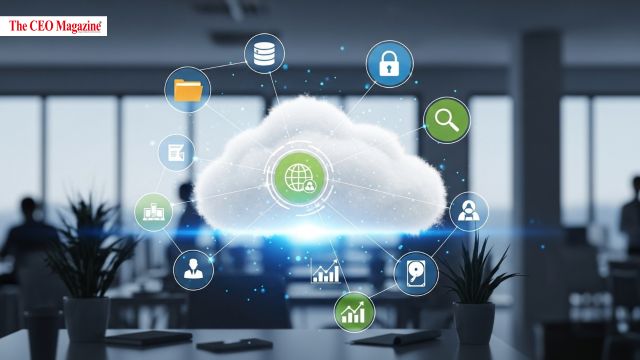
Cloud technology provides retail businesses with robust data storage solutions that can significantly improve your operational efficiency. By leveraging cloud infrastructure, you can store vast amounts of data securely and access it from anywhere with an internet connection. This centralized storage system not only ensures the protection of sensitive customer information but also simplifies data management, allowing you to easily analyze sales trends and inventory levels in real time.
Scalability and Flexibility
With cloud storage, you can easily scale your data needs according to your business size and growth demands. As your retail operations expand, you can increase your storage capacity without the need for substantial upfront investments in physical servers, making it easy to accommodate varying data workload and transactions.
Cost Efficiency
Shifting to cloud storage eliminates the need for costly hardware and maintenance, helping you reduce overall IT expenses. You pay for the storage you use, which allows you to allocate resources more effectively. Many retail businesses report substantial savings by shifting to a pay-as-you-go model, negating extra costs associated with underutilized server capacity.
By adopting cloud solutions, you not only benefit from lower capital expenses but also reduce operational costs. According to a study by the International Data Corporation, cloud storage can save businesses up to 30% on their IT budgets. This financial efficiency allows you to invest in other crucial areas of your retail business, such as marketing and customer experience initiatives. With the ability to scale as needed, your cloud storage can adapt to your business cycles, ensuring that you only pay for the resources you actually require.
Improved Customer Experience
Leveraging cloud technology can profoundly enhance your customers’ experience. By utilizing data analytics and integrated systems, you can anticipate customer needs, streamline operations, and create a seamless shopping journey. This is achieved through refined inventory management, targeted promotions, and personalized communications that make each interaction unique and engaging.
Personalized Shopping Experiences
With cloud-based tools, you can harness customer data to craft personalized shopping experiences tailored to individual preferences. By analyzing purchase history and browsing behavior, you can recommend products that align with their tastes, leading to increased engagement and higher conversion rates.
Faster Service and Checkout Processes
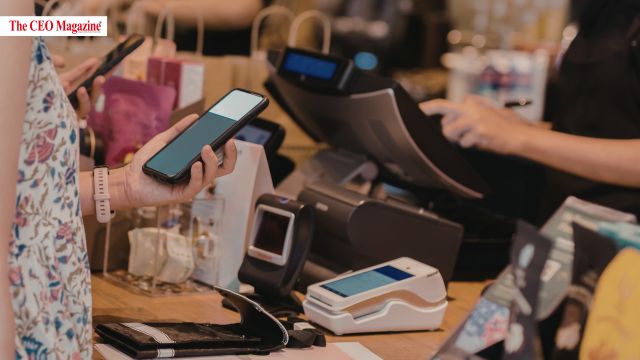
Efficient cloud solutions streamline your service and checkout processes. Implementing point-of-sale systems that integrate with your inventory and customer data reduces wait times and simplifies transactions, ensuring your customers enjoy a smooth shopping experience.
Faster service and checkout processes powered by the cloud can significantly impact customer satisfaction. For instance, retailers like Starbucks have adopted mobile ordering apps leveraging cloud technology, allowing customers to place orders in advance, reducing wait times during peak hours. This efficiency not only keeps customers happy but can also boost sales by encouraging impulse purchases and repeat visits. Additionally, real-time inventory updates minimize stock discrepancies, ensuring customers find what they want without delay.
Streamlined Operations
Cloud technology significantly enhances your retail operations by centralizing data, improving communication, and automating various processes. This consolidation allows for quick access to real-time information across different departments, ensuring your team can respond promptly to customer needs and market changes. With enhanced collaboration tools, you can streamline workflows, reduce redundancy, and ultimately create a more efficient work environment.
Inventory Management
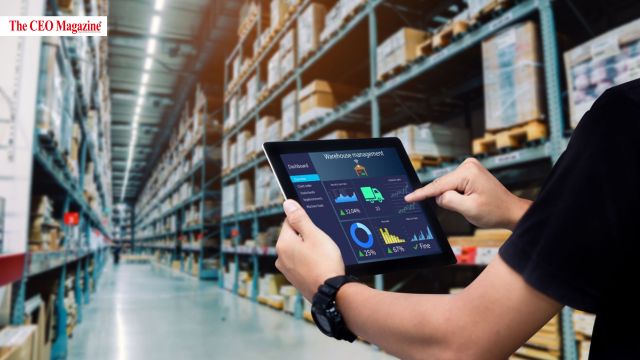
Embracing cloud-based inventory management enables you to track stock levels in real-time, reducing the chances of overstocking or stockouts. This accuracy leads to better forecasting and helps you make data-driven decisions regarding inventory purchasing. As a result, you can optimize your stock turnover rates and ensure that your shelves are consistently stocked with the products your customers want.
Supply Chain Optimization
Transitioning to the cloud allows for enhanced visibility and tracking throughout your supply chain. You can monitor shipments, manage vendor relationships, and adjust your logistics in real-time. By utilizing data analytics within cloud systems, you can identify bottlenecks and inefficiencies, allowing you to refine your processes and reduce operational costs.
For instance, retailers using cloud technology can implement predictive analytics to anticipate demand fluctuations. This allows for smarter inventory acquisition and distribution decisions. Companies like Zara have leveraged cloud solutions to synchronize their supply chain, significantly driving down lead times and increasing responsiveness to fashion trends. Adopting cloud technology not only streamlines operations but also empowers you to gain a competitive edge in a rapidly changing retail landscape.
Strengthened Security Measures
The adoption of cloud technology significantly enhances your retail business’s security posture. With built-in security protocols, advanced encryption, and regular updates, cloud providers fortify data against cyber threats. Many services offer automatic data backups and disaster recovery options, ensuring that your information remains intact and accessible even in the event of an attack. This multi-layered approach not only safeguards your assets but also boosts customer confidence in your brand’s commitment to protecting their personal information.
Data Protection and Compliance
Staying compliant with data protection regulations is vital for your retail business. Cloud technology streamlines compliance efforts by providing tools and features that help you adhere to standards like GDPR and PCI-DSS. Features such as data encryption, access controls, and audit logs ensure sensitive information is handled securely, minimizing the risk of breaches and legal penalties while safeguarding your reputation.
Incident Response
An efficient incident response plan is vital for tackling security breaches or data loss. Cloud service providers often include rapid response teams and tools that help you quickly identify and contain threats. With the ability to restore lost data and implement real-time monitoring, your business can minimize downtime and mitigate the impact of any incidents.
In case of a security incident, having a robust incident response plan powered by cloud technology allows for coordinated action across your organization. For example, when a breach occurs, the cloud provider can automatically notify your team while also initiating predefined protocols to isolate affected systems. This swift action greatly reduces the potential damage and recovery time, enabling you to address the situation with transparency and efficiency. With documented response processes, you can also learn and adapt from each incident, gradually strengthening your defenses over time.
Remote Accessibility
Cloud technology empowers your retail business with unparalleled remote accessibility, allowing you to manage operations from anywhere. Whether you’re on the sales floor, at home, or traveling, you can access real-time data and insights to make informed decisions instantly. This flexibility enables you to respond quickly to market changes, ensuring your business remains competitive in a fast-paced environment.
Workforce Mobility
Your employees benefit significantly from workforce mobility enabled by cloud technology. With mobile devices and cloud access, team members can work from various locations, improving productivity and job satisfaction. Sales associates can check inventory in real-time or receive updates on promotions while on the go, allowing for seamless customer service regardless of their physical location.
Collaboration Tools
Collaboration tools integrated within cloud technology facilitate teamwork across your retail business. Employees can share documents, communicate instantly, and coordinate tasks efficiently, regardless of where they are. This immediacy not only enhances productivity but also fosters a more cohesive work environment.
Further, these tools allow for shared dashboards and project management applications that keep team members aligned. For example, using platforms like Slack or Microsoft Teams, your staff can discuss strategies and share insights in real-time, leading to quicker problem-solving and enhanced customer satisfaction. By utilizing cloud-based collaboration software, you create an agile workforce that adapts to challenges and opportunities swiftly.
Real-Time Analytics
Leveraging cloud technology gives you immediate access to real-time analytics, transforming how you interpret data and make decisions. This instant data availability enables you to monitor sales trends, customer behavior, and inventory levels as they happen, allowing for swift adjustments. For instance, if a particular product starts selling rapidly, you can promptly adjust your marketing strategy or restock inventory to avoid lost sales. This agility enhances your operational efficiency and keeps you one step ahead of your competition.
Actionable Insights
With real-time analytics, you can derive actionable insights tailored to your retail business needs. By analyzing customer purchasing patterns and feedback instantly, you can formulate specific strategies to enhance customer satisfaction. For example, recognizing a sudden demand for a product can prompt you to launch a targeted promotion, directly impacting your bottom line.
Predictive Analytics
Predictive analytics takes your data insights a step further by forecasting future trends based on historical data. By utilizing sophisticated algorithms and machine learning, you can anticipate customer preferences, seasonal buying patterns, and potential supply chain issues. This foresight allows you to allocate resources effectively, optimize pricing strategies, and tailor marketing efforts, driving higher sales.
In practice, predictive analytics can significantly enhance inventory management. For instance, if data shows that a particular product sells well during holiday seasons, you can ensure adequate stock levels before peak shopping times. Retailers like Target successfully use predictive analytics to forecast demand, preventing stockouts and overstock situations, ultimately boosting profitability and customer satisfaction. By harnessing such insights, your decision-making becomes not just reactive, but proactive, positioning your business for sustained growth.
Conclusion
As a reminder, embracing cloud technology can transform your retail business by enhancing efficiency, reducing costs, and improving customer engagement. You gain valuable insights through data analytics, ensure seamless collaboration, and facilitate scalability as your business grows. Furthermore, you benefit from increased security and reduced downtime, allowing you to focus on what matters most-your customers. By leveraging these advantages, you position your retail business to thrive in an increasingly digital marketplace.
FAQ
Q: What are the cost advantages of using cloud technology for retail businesses?
A: Cloud technology reduces the need for physical infrastructure and maintenance costs. It allows retail businesses to pay for only the resources they use, enabling better budget management and efficient allocation of funds. Operational costs can be lowered significantly, allowing businesses to invest in other areas such as marketing or product development.
Q: How does cloud technology enhance inventory management for retailers?
A: With cloud technology, retailers can access real-time inventory data from any location. This capability allows for accurate stock monitoring, reducing the chances of overstocking or stockouts. Improved inventory visibility facilitates better decision-making regarding purchasing and helps in optimizing supply chain operations.
Q: In what ways does cloud technology support customer engagement in retail?
A: Cloud technology enables retailers to gather and analyze customer data effectively. This analysis allows businesses to personalize marketing efforts and customer communication. Additionally, cloud-based platforms can integrate loyalty programs and customer feedback systems, fostering stronger engagement and enhancing satisfaction.