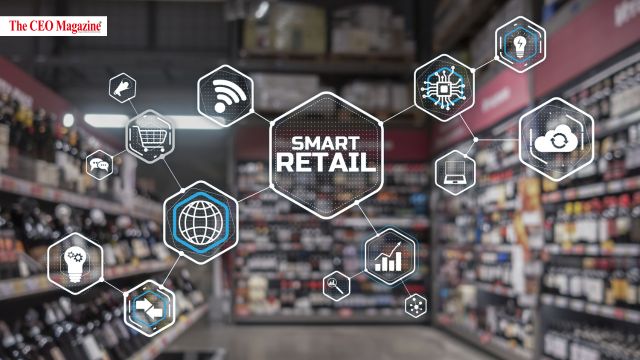
There’s a rapidly evolving landscape in retail technology that could significantly enhance your business operations and customer experience. As consumer expectations shift, it’s vital for you to stay informed about the tools that can drive efficiency and engagement. This article explores ten emerging retail technologies that you shouldn’t overlook, providing insights into how they can transform your retail strategy and ensure you remain competitive in an ever-changing market.
Key Takeaways:
- Artificial Intelligence (AI) enhances customer personalization and operational efficiency in retail.
- Augmented Reality (AR) offers immersive shopping experiences, allowing customers to visualize products in their environment.
- Blockchain technology improves supply chain transparency and enhances trust between retailers and consumers.
Artificial Intelligence in Retail
Integrating Artificial Intelligence in retail streamlines operations and enhances customer engagement, ultimately driving sales growth. As AI learns from vast datasets, it facilitates improved decision-making across various business areas, leading to greater efficiency and personalized customer interactions. Retailers utilizing AI tools can analyze customer behaviors, predict trends, and optimize supply chains more effectively than ever before.
Personalized Shopping Experiences
Through AI, retailers can create highly personalized shopping experiences that cater to individual customer preferences. By leveraging data analytics, AI systems can suggest products based on browsing history, purchase behavior, and even social media activity, allowing you to feel more connected with brands and receive tailored recommendations that resonate with your tastes.
Inventory Management Solutions
AI-driven inventory management solutions optimize stock levels and reduce waste by predicting demand with remarkable accuracy. These systems analyze sales data and market trends in real-time, enabling you to maintain optimal inventory and ensuring products are available when customers want them, all while minimizing overstock risks.
Implementing AI in inventory management can transform your retail operations. For example, leading retailers like Walmart harness machine learning algorithms to forecast demand based on seasonal trends and local events, leading to a 10-15% reduction in stockouts. This predictive capability not only enhances customer satisfaction by ensuring product availability but also lowers holding costs by reducing excess inventory. With real-time data analysis, you can respond swiftly to changes in consumer demand, making informed decisions that ultimately enhance your profitability. By streamlining supply chain logistics, AI empowers you to stay ahead of the competition in a fast-paced retail environment.
Augmented and Virtual Reality
Augmented and Virtual Reality (AR/VR) are transforming the retail sector by creating interactive experiences that engage customers in innovative ways. These technologies allow consumers to visualize products in their environments or immerse themselves in entirely virtual shopping spaces, significantly enhancing the purchasing process. As adoption rates increase, you’ll find that investing in AR/VR can lead to higher customer satisfaction and improved sales conversions.
Enhanced Product Visualization
With AR, you can enable customers to visualize products in their own spaces before purchasing. For instance, home improvement retailers like Lowe’s utilize AR applications to let users place virtual furniture or appliances in their homes, ensuring that the items fit both functionally and aesthetically. This level of product visualization removes uncertainty, fostering more confident buying decisions.
Immersive Shopping Experiences
Immersive shopping experiences can dramatically alter how customers interact with products. By utilizing VR, retailers create fully simulated environments that allow shoppers to engage with their catalog in an entertaining and informative manner. Leading brands like Walmart have experimented with VR to enhance employee training and also explore virtual store layouts, showcasing the versatility of this technology in retail.
Imagine walking through a virtual store aisle where you can examine products as if you were physically present. Each item can be studied in detail, complete with promotional offers and related recommendations. Companies like IKEA and Shopify have leveraged this immersive approach to facilitate enriching customer interactions. As you explore products in a 360-degree virtual environment, the barriers of traditional online shopping dissipate, making it an appealing alternative that drives engagement and boosts your sales potential significantly.
Internet of Things (IoT)
The Internet of Things (IoT) is revolutionizing the way you interact with products and services in retail. By connecting devices and systems, IoT enables real-time data collection and analysis, offering you valuable insights into inventory management, consumer behavior, and operational efficiency. As retailers increasingly adopt IoT technologies, you’ll find a seamless integration of the shopping experience that caters more effectively to your preferences.
Smart Shelves and Inventory Tracking
Smart shelves equipped with sensors provide real-time tracking of inventory levels, automatically notifying you when stock is low. With RFID tags and IoT technology, these systems help to prevent out-of-stock scenarios while giving you instant access to product availability, thereby enhancing your shopping experience by ensuring that your desired items are always in stock.
Connected Consumer Devices
Connected consumer devices, such as smartwatches and smartphones, are becoming integral to your shopping journey. These devices can deliver personalized offers, facilitate mobile payments, and even provide augmented reality experiences within stores. As you interact with these devices, retailers can gather insights into your preferences, enabling a more tailored and engaging shopping experience.
Connected consumer devices allow you to receive real-time notifications and promotions while you’re shopping. For instance, when you enter a store, your smartphone might alert you to a flash sale on shoes you’ve previously browsed. In addition, smart devices can assist in navigating within stores, helping you find specific products quickly. The integration of these technologies not only streamlines your shopping experience but also enhances customer engagement through personalized interactions, thereby making each visit more enjoyable and efficient.
Mobile Payment Solutions
Mobile payment solutions are increasingly integral to streamlining transactions and enhancing customer convenience in retail. By adopting these solutions, you can provide faster checkout experiences and minimize the friction often associated with traditional payment methods. With the continued growth in smartphone usage, integrating mobile payments can dramatically boost your sales and meet evolving consumer expectations.
Contactless Payments
Contactless payments simplify transactions, allowing you to accept payments via smartphones and smart cards with just a tap. This technology not only speeds up the checkout process but also caters to safety preferences, as it minimizes physical contact. According to recent studies, contactless payments accounted for nearly 40% of in-person transactions, highlighting their rapid adoption among consumers.
Digital Wallet Innovations
Digital wallet innovations are reshaping how consumers manage payments and store financial information. These wallets allow you to securely transact, save loyalty cards, and access promotions all in one place. With features like peer-to-peer payment options and integration with loyalty rewards, digital wallets are enhancing customer engagement and simplifying your sales operations.
For instance, major players like Apple Pay, Google Wallet, and Samsung Pay have revolutionized the market by offering seamless integration across multiple platforms. You can leverage these digital wallet solutions to offer personalized promotions directly to customers, boosting their shopping experience. Statista reports that the global digital wallet market is projected to surpass $7 trillion by 2024, showcasing the immense potential for retail growth through these technologies. Embracing digital wallets not only enhances transaction security but also builds customer loyalty and increases operational efficiency.
Robotics and Automation
As retail operations become increasingly complex, robotics and automation are stepping in to streamline processes and enhance customer experiences. Implementing these technologies can lead to cost savings, improved efficiency, and significantly faster service. From fulfillment centers to in-store assistance, robotics is reshaping how you manage inventory and interact with shoppers, making it a vital area to explore.
Fulfillment Center Robotics
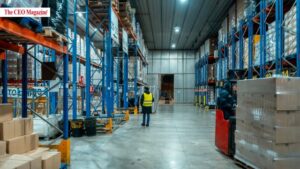
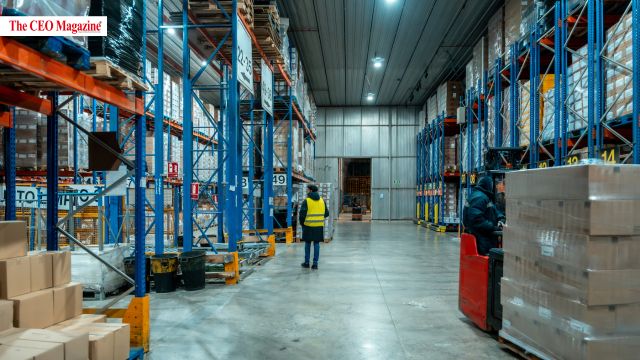
In fulfillment centers, robotics drastically reduce labor costs and improve order accuracy. Automated systems, like Kiva robots used by Amazon, navigate warehouses to fetch and transport items autonomously, expediting the picking and packing process. This technology not only accelerates delivery times but also optimizes space utilization, allowing your operations to scale efficiently.
In-Store Assistance Robots
In-store assistance robots enhance the shopping experience by providing real-time support to customers. These intelligent robots can answer queries, guide shoppers to products, and even assist with checkout. By integrating in-store robots, you can improve customer satisfaction while freeing up staff for more complex tasks, ultimately creating a more interactive shopping environment.
For instance, Lowe’s has deployed the LoweBot, which helps customers navigate aisles and locate products specifically tailored to their needs. Equipped with advanced sensors and AI, these robots can identify preferred items while suggesting alternatives, enhancing customer engagement. As more retailers adopt similar technologies, you have the opportunity to differentiate your brand through personalized service and improved operational efficiency.
Advanced Data Analytics
Advanced data analytics allows retailers to decode vast amounts of customer data, making insights accessible and actionable. This innovation empowers you to personalize marketing efforts, improve customer service, and streamline operations more efficiently. By leveraging analytics, you can anticipate trends and make data-driven decisions that enhance both customer experiences and your bottom line.
- Enhanced customer segmentation
- Real-time inventory management
- In-depth sales forecasting
- Improved customer engagement
- Personalized marketing strategies
| Key Benefits of Advanced Data Analytics |
Examples |
| Predictive analytics |
Using historical data to forecast future buying trends |
| Behavior analytics |
Understanding customer preferences through shopping habits |
| Operational insights |
Identifying inefficiencies in supply chain management |
Predictive Customer Behavior
Predictive customer behavior uses historical data to understand and anticipate future purchasing patterns. By analyzing trends and preferences, you can tailor marketing strategies that target specific customer segments. For example, if data shows that a particular demographic is likely to purchase seasonal items early, you can launch timely promotions that resonate with those consumers, ultimately driving sales and engagement.
Optimizing Supply Chain Operations
Optimizing supply chain operations entails leveraging analytics to enhance efficiency and reduce costs throughout your retail process. This involves real-time tracking of inventory, assessing supplier performance, and predicting demand fluctuations. Consequently, you can make informed decisions that improve product availability while minimizing excess stock, ensuring your operations run smoothly and profitably.
Optimizing supply chain operations means embracing sophisticated tools that assess data across multiple touchpoints. For instance, using advanced predictive analytics, you can forecast demand changes based on external factors, such as market trends or economic conditions. Implementing this proactive approach allows for more agile inventory management, reducing wastage and ensuring product availability, ultimately translating to better customer satisfaction and increased revenue.
To wrap up
With these considerations, integrating emerging retail technologies into your strategy can significantly enhance your business operations and customer engagement. By adopting innovations like AI, augmented reality, and blockchain, you’re not only staying ahead of the competition, but also ensuring a more personalized shopping experience for your customers. Embracing these advancements will prepare your business for the future and help you meet evolving consumer demands. Take action now to leverage these technologies and unlock new opportunities for growth in the retail landscape.
FAQ
Q: What role does Artificial Intelligence play in retail technology?
A: Artificial Intelligence enhances customer experiences through personalized recommendations, predictive analytics, and inventory management. AI algorithms analyze consumer behavior to provide tailored product suggestions, streamline supply chain processes, and optimize pricing strategies based on market trends.
Q: How can Augmented Reality impact the shopping experience?
A: Augmented Reality (AR) offers immersive shopping experiences by allowing customers to visualize products in their own environment before purchase. AR applications enable virtual try-ons for clothing and accessories, enhancing consumer engagement and reducing return rates.
Q: What are the benefits of using blockchain technology in retail?
A: Blockchain technology improves transparency and traceability in supply chains. It ensures secure transactions and helps in tracking product origins, which builds consumer trust. Moreover, it can streamline payment processes, reducing fraud and enhancing efficiency across the retail landscape.