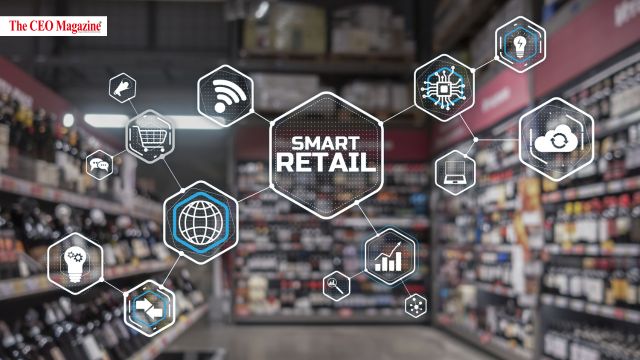
Over the next few years, understanding and leveraging data will become increasingly vital for your retail business. As consumer behavior evolves, you must stay ahead by tracking specific data insights that can enhance your operations and drive growth. This blog post will guide you through ten necessary data metrics to monitor in 2025 and beyond, ensuring that you are equipped with the knowledge needed to make informed decisions and optimize your retail strategies.
Key Takeaways:
- Customer behavior analytics will become vital for tailoring personalized shopping experiences and enhancing customer loyalty.
- Supply chain visibility will play a pivotal role in optimizing inventory management and reducing costs amid changing market dynamics.
- Utilizing real-time data will allow retail businesses to adapt quickly to consumer trends and improve decision-making processes.
Understanding Consumer Behavior
By analyzing consumer behavior, you can adapt your offerings to better meet customer needs. This involves digging deep into what drives purchasing decisions, exploring preferences, and identifying trends. Leveraging both qualitative and quantitative data will help you refine marketing strategies, leading to increased sales and improved customer satisfaction over time.
Identifying Purchase Patterns
Tracking purchase patterns helps you understand how frequently consumers buy specific products and at what times. You can utilize sales data to identify seasonal trends or peak shopping days. With this information, you can adjust inventory, optimize marketing campaigns, and create targeted promotions that resonate with your audience, ultimately boosting sales performance.
Analyzing Customer Demographics
Analyzing customer demographics allows you to pinpoint who your customers are in terms of age, gender, location, and income level. This data not only shapes your marketing efforts but also informs product development, ensuring your offerings cater to your target audience. For instance, understanding that a significant portion of your customers are millennials can guide you in creating campaigns that appeal specifically to their preferences and behaviors.
Diving deeper into customer demographics reveals critical insights. For instance, research indicates that 80% of consumer spending is controlled by women, which can dictate how you tailor your marketing strategies. Furthermore, age segmentation can help you establish which products are appealing to various generations, leading to more effective targeted advertising. Geographic data lets you customize promotions to match regional tastes and preferences, ensuring your offerings resonate with local markets. Emphasizing these insights will enhance user engagement and drive conversions effectively.
Inventory Management Metrics
Effective inventory management is necessary for optimizing your retail operations. Monitoring specific metrics can help you maintain the right stock levels, reduce costs, and improve customer satisfaction. By analyzing these data points, you can make informed decisions that drive profitability and efficiency in your business.
Stock Turnover Rates
Stock turnover rates indicate how frequently your inventory is sold and replaced over a period. A higher rate suggests effective inventory management and robust sales, while a lower rate may signal overstocking or declining demand. Regularly calculating this metric enables you to adjust purchasing strategies and improve cash flow.
Forecasting Supply Chain Needs
Accurate forecasting of supply chain needs is fundamental for minimizing disruptions and ensuring product availability. Leverage historical sales data, seasonal trends, and market analysis to anticipate demand fluctuations. This proactive approach allows you to optimize inventory levels, reduce holding costs, and better align with customer expectations.
For instance, utilizing AI-driven analytics tools can enhance your forecasting accuracy, enabling you to predict inventory requirements based on various influencing factors. By analyzing customer buying patterns and external variables such as market trends and economic indicators, you can significantly improve your order management and planning. This strategic foresight helps in maintaining optimal stock levels, preventing stockouts, and enhancing overall operational efficiency, ensuring you deliver seamless shopping experiences to your customers.
Sales Performance Analysis
Analyzing sales performance allows you to identify trends, optimize inventory, and improve overall profitability. By diving deeper into your sales metrics, you gain insights that inform decision-making, from promotions to staffing levels. Tracking data such as seasonal fluctuations and top-performing products ensures you remain agile in a competitive landscape, empowering your business to adapt to changing consumer demands efficiently.
Tracking Sales by Channel
You should monitor sales across various channels to understand where your revenue originates and which platforms drive the most conversions. By comparing online, in-store, and mobile sales, you identify strengths and weaknesses within your distribution strategy, enabling you to allocate resources effectively and enhance your presence where it matters most.
Measuring Average Transaction Value
Measuring your average transaction value (ATV) helps evaluate customer spending behavior and optimize pricing strategies. This insight can guide your promotional tactics or product bundling, effectively increasing revenue per sale. You might discover, for instance, that a specific product combination consistently boosts transaction values, allowing for targeted marketing to maximize overall sales.
To calculate your average transaction value, divide your total revenue by the number of transactions over a specific period. For example, if your retail store generated $50,000 in sales from 1,000 transactions, your ATV would be $50. Tracking this metric monthly can reveal patterns and help you determine which products or promotions successfully raise transaction values, providing a pathway to enhance your sales strategies. Increasing ATV can significantly impact your bottom line, promoting a focus on customer experience and upselling techniques.
Customer Engagement Metrics
Tracking customer engagement metrics is necessary for understanding how well your business connects with its audience. Metrics such as interaction rates, repeat visits, and social media engagement provide valuable insights into customer behavior and preferences. By analyzing these metrics, you can tailor your marketing strategies, improve the customer experience, and enhance loyalty, thereby driving growth in an increasingly competitive landscape.
Evaluating Customer Retention Rates
Customer retention rates indicate how effectively your business keeps its existing clientele. A high retention rate suggests satisfied customers who are willing to return, while a low rate may signal issues that need addressing. You can calculate this metric by tracking the percentage of customers who make repeat purchases within a specific period. For example, if you had 100 customers at the start of the year and 80 made another purchase, your retention rate would be 80%.
Analyzing Customer Feedback
Customer feedback is a goldmine for insights on your products and services. By collecting feedback through surveys, reviews, and social media interactions, you gain direct access to your customers’ thoughts and feelings. For instance, 70% of consumers say online reviews influence their purchasing decisions. Analyzing this information helps you identify trends, address potential areas for improvement, and reinforce what customers love about your offerings.
Diving deeper into customer feedback analysis can unveil specific pain points or areas of delight. Tools like sentiment analysis can categorize feedback into positive, negative, or neutral, allowing you to pinpoint recurrent themes. If customers frequently mention a specific product feature that they love, it can be a focal point for your marketing efforts. Conversely, if several comments point to a hassle in the checkout process, you’ll know where to direct your attention for enhancements. Implementing changes based on insightful feedback can ultimately lead to increased satisfaction and loyalty, reinforcing the importance of this metric.
Pricing Strategy Insights
Effective pricing strategies are vital for maximizing profitability and ensuring market competitiveness. In 2025 and beyond, you must track not only your internal pricing metrics but also external market dynamics that affect consumer behavior and demand. Adapting to changes in consumer expectations and adopting data-driven pricing strategies can significantly enhance your revenue potential and customer satisfaction levels.
Monitoring Competitive Pricing
Staying informed about your competitors’ pricing strategies allows you to make informed adjustments that keep you attractive to customers. Use tools that aggregate competitor pricing data in real-time to understand fluctuations. Consistent monitoring enables you to identify pricing gaps and capitalize on promotional opportunities, ensuring you don’t lose market share to more aggressive pricing tactics.
Understanding Price Elasticity
Knowing how sensitive your customers are to price changes can transform your pricing strategy. Price elasticity measures the responsiveness of demand to changes in price, helping you identify when a slight adjustment could lead to increased sales or revenue. By analyzing historical sales data against price variations, you can pinpoint optimal pricing that balances profitability with sales volume.
For instance, if a 10% increase in price results in a 15% drop in sales, your product is considered elastic, meaning consumers are sensitive to price changes. Conversely, if sales remain stable despite price hikes, your product is inelastic. Understanding these dynamics allows you to set prices that maximize your margins while minimizing the risk of losing customers. You can leverage tools like A/B testing to experiment with different price points and gauge consumer response, refining your approach for optimal outcomes.
Digital Engagement Metrics
To thrive in the evolving retail landscape, monitoring digital engagement metrics is imperative. These metrics provide insights into customer interactions with your brand online, enabling you to enhance your marketing strategies and boost conversions. Key indicators like website visits, click-through rates, and engagement on promotional content all contribute to understanding how effectively you’re reaching and resonating with your audience.
Tracking Online Traffic Sources
Identifying your online traffic sources allows you to gauge the effectiveness of your marketing channels. By analyzing where your visitors are coming from-whether it’s organic search, paid ads, or social media-you can allocate resources to the most profitable channels and refine your marketing efforts accordingly.
Assessing Social Media ROI
Evaluating the return on investment (ROI) from your social media campaigns is pivotal for understanding their contribution to your overall objectives. By comparing revenue generated from social media initiatives against costs like ad spend and content creation, you can make informed decisions on budget allocation and content strategy.
To accurately assess social media ROI, consider using metrics such as conversion rates, customer acquisition costs, and the lifetime value of social media-driven customers. For instance, if you invest $1,000 in a Facebook ad campaign and this attracts 100 new customers with an average lifetime value of $200 each, your ROI from this campaign would be substantial. Tracking specific campaigns allows you to identify which content resonates best and drives sales, ultimately guiding your future marketing efforts more effectively.
Final Words
Following this guide, you can now identify and focus on the ten critical data insights that will shape your retail operations in 2025 and beyond. By actively tracking these metrics, you enhance your decision-making process, optimize inventory management, and improve customer satisfaction. Engaging with this data will empower you to stay ahead of market trends, foster innovation, and ultimately drive growth in your business. Embrace these insights to position your retail venture for long-term success in an evolving landscape.
FAQ
Q: What are the top data insights retailers should focus on in 2025?
A: Retailers should track customer purchase patterns, inventory turnover rates, foot traffic analytics, customer demographics, sales conversion rates, online engagement metrics, product performance metrics, multi-channel performance measurements, supply chain efficiency, and customer feedback/ratings.
Q: How can analyzing customer purchase patterns benefit retail businesses?
A: Analyzing customer purchase patterns allows retailers to tailor marketing strategies, optimize product placements, enhance promotional activities, and predict future sales trends, ultimately leading to improved inventory management and customer satisfaction.
Q: Why is tracking inventory turnover rates important for retail operations?
A: Tracking inventory turnover rates helps retailers assess the efficiency of their product sales and inventory management. High turnover indicates strong sales and demand, while low turnover may signal overstocking or a need for product reevaluation.