Trends in retail real estate are evolving rapidly, and as a developer, staying informed is necessary for success. You need to recognize how consumer behavior shifts and technological advancements shape the market. This post outlines ten key trends that could significantly impact your development strategies, ensuring you remain competitive and ahead of the curve. Understanding these changes will empower you to make informed decisions and optimize your investments.
Key Takeaways:
- Increased demand for experiential retail spaces is reshaping store designs and layouts to enhance customer engagement.
- Technology integration, such as AI and IoT, is becoming important for optimizing operations and improving customer experiences.
- Sustainability practices are gaining importance, pushing developers to incorporate eco-friendly designs and materials in retail projects.
The Rise of Omnichannel Retailing
Your approach to retail must now incorporate omnichannel strategies, blending physical and digital experiences to cater to diverse consumer preferences. Shoppers expect seamless transitions between browsing online and purchasing in-store, prompting developers to rethink traditional retail layouts. This trend emphasizes the necessity of adaptable spaces that support both e-commerce and in-person interactions, creating a holistic shopping experience that promotes higher customer satisfaction and loyalty.
Integration of Online and Offline Experiences
Integrating online and offline experiences means creating a unified brand journey for consumers. This can be achieved through technology such as mobile apps that enhance in-store navigation or personalized notifications. For instance, using geolocation features, retailers can alert customers about promotions while they are near or inside the store, thus encouraging foot traffic and enhancing engagement.
Importance of Flexibility in Retail Spaces
Flexibility in retail spaces allows you to adapt to quickly changing consumer habits and market demands. Developers are increasingly designing spaces that can be easily reconfigured for various uses, from pop-up shops to experiential installments. This agility not only maximizes the use of square footage but also enables you to curate unique, immersive experiences that can shift with trends, maintaining relevance in a competitive landscape.
Adopting flexible design principles is important as consumer behaviors evolve. For instance, modular store layouts can be adjusted to accommodate seasonal displays, special events, or changing inventory. A notable example is a clothing retailer that transformed its space for a limited-time collaboration, generating buzz and driving sales. This adaptability not only attracts diverse customers but also optimizes operational efficiency, aligning with a brand’s evolving strategy and ensuring longevity in a dynamic retail environment.
Sustainability in Retail Developments
As consumers increasingly prioritize environmental responsibility, you must consider sustainability as a core aspect of your retail developments. This focus not only enhances brand image but can also lead to reduced operating costs and increased long-term value. Incorporating green practices is no longer a trend-it’s becoming a standard expectation for modern retail spaces.
Eco-friendly Building Materials
Utilizing eco-friendly building materials is important for creating sustainable retail spaces. Opt for recycled, reclaimed, or rapidly renewable resources, such as bamboo or reclaimed wood, to minimize environmental impact. Additionally, products with low-VOC emissions contribute to better indoor air quality, benefiting both customers and employees. Such choices resonate well with environmentally conscious consumers, enhancing your project’s marketability.
Energy-efficient Systems and Practices
Implementing energy-efficient systems and practices is vital for modern retail developments. Investing in smart HVAC systems, LED lighting, and energy-efficient appliances not only reduces utility costs but also lowers your carbon footprint. Technologies like energy management systems can optimize energy usage, adapting to real-time needs and further maximizing savings. These practices can lead to significant energy reductions-up to 30%-allowing your projects to stand out in the competitive retail landscape.
Energy-efficient systems encompass a wide range of strategies and technologies designed to enhance overall operational efficiency. For instance, integrating renewable energy sources like solar panels can drastically reduce dependence on non-renewable resources while providing substantial cost savings over time. You should also assess the site for appropriate passive solar design elements that use natural light and heating effectively. As a case in point, retail spaces utilizing green roofing and high-efficiency windows not only promote energy conservation but also create inviting atmospheres for shoppers, reinforcing the importance of sustainability in today’s retail environment.
Technology-Driven Retail Experiences
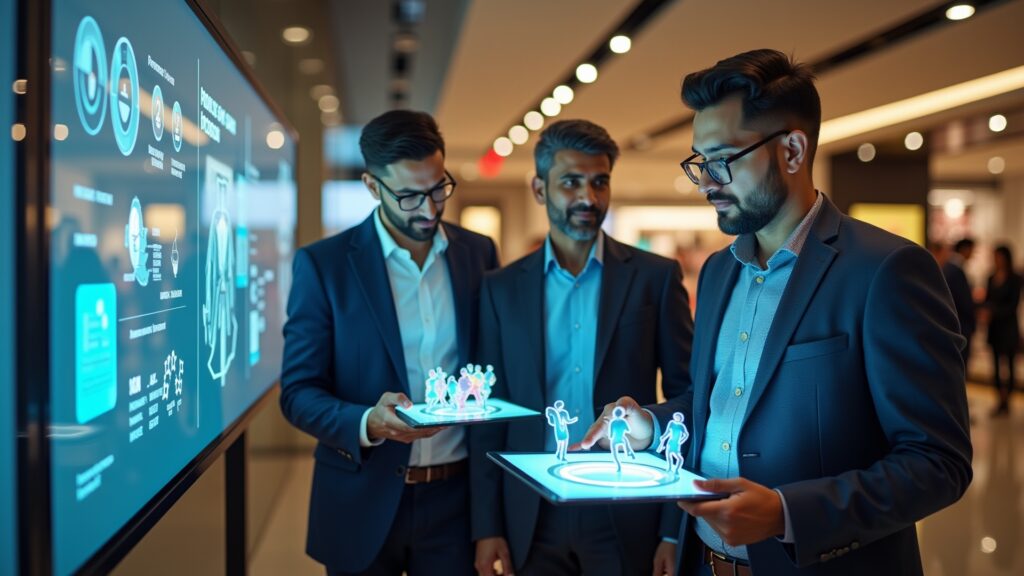
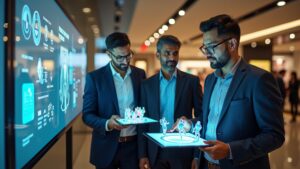
You must adapt to an era where technology significantly enhances in-store experiences. Retailers are leveraging cutting-edge tools to make shopping more interactive and personalized. Features like smart mirrors, mobile payment options, and in-store apps not only streamline the purchasing process but also create memorable, engaging environments that attract customers.
Role of Smart Technologies
Smart technologies are revolutionizing the retail landscape by offering analytics-driven insights and creating personalized experiences. From smart shelves that monitor inventory levels in real-time to AI-driven chatbots supporting customer service, these innovations help you optimize operations and enhance the overall shopping journey.
Impact of Augmented Reality on Shopping
Augmented reality (AR) offers a transformative approach to retail, allowing customers to visualize products in their own spaces before purchase. This technology enhances decision-making and boosts customer satisfaction, leading to higher conversion rates. Retailers implementing AR have observed impressive engagement levels and an uptick in sales.
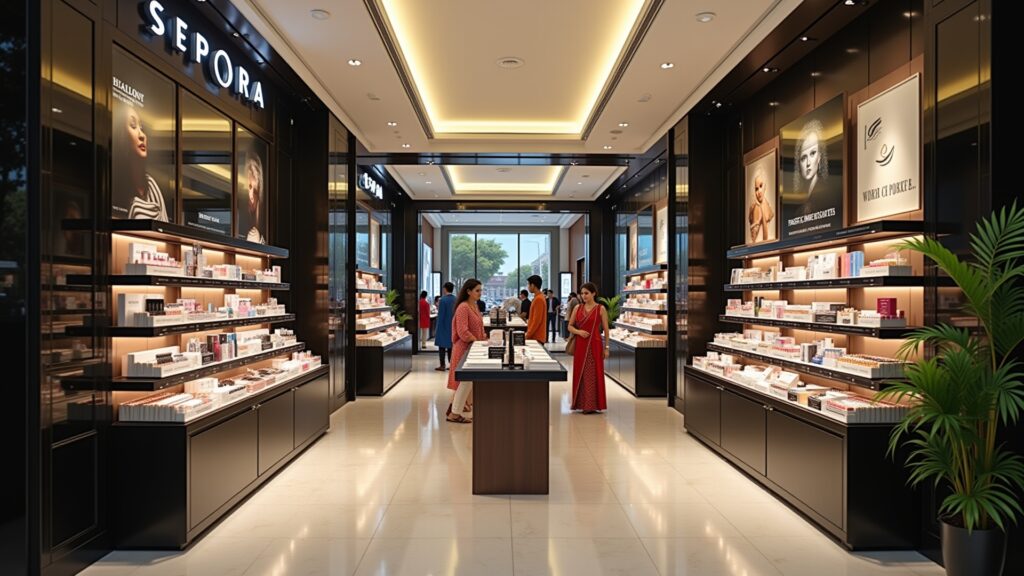
Augmented reality’s impact on shopping is significant, particularly in sectors like furniture and fashion. Companies like IKEA and Sephora use AR apps to let customers see how a piece of furniture fits in their home or how a makeup product looks on their skin. This interactive experience not only drives customer confidence but also reduces return rates, as buyers feel more assured of their choices. As AR continues to evolve, integrating it into retail strategies becomes increasingly vital for creating immersive shopping environments that captivate consumers.
The Shift to Mixed-Use Developments
Mixed-use developments are gaining traction as they create vibrant, multifunctional spaces that cater to diverse consumer needs. Integrating retail, residential, and office spaces fosters a dynamic environment, attracting foot traffic and enhancing consumer experiences. Developments such as the Highline in New York City exemplify how blending these uses can create destinations that not only support local economies but also foster community connections.
Benefits of Integrating Residential and Commercial Spaces
Combining residential and commercial spaces encourages a 24/7 atmosphere, driving consistent foot traffic and customer engagement. By creating live-work-play environments, you can improve tenant retention and attract a variety of demographics. These developments often lead to increased property values, making them financially appealing for developers.
Enhancing Community Engagement through Retail
Engaging the community through retail offers numerous benefits, transforming passive shopping into interactive experiences. By hosting local events, markets, and flexible spaces, you can create a sense of belonging and foster relationships among residents. Developments like The Grove in Los Angeles successfully merge entertainment and shopping, drawing in locals who feel a part of their community.
When retail spaces actively engage with the community, you can facilitate a two-way relationship that benefits both consumers and businesses. This engagement can take the form of partnerships with local artisans, pop-up shops, and culturally-focused events, drawing demographic diversity and building loyalty. Statistics show that communities with high engagement levels often experience a 15-20% increase in visitor foot traffic, demonstrating the vital role these interactions play in the commercial success of mixed-use developments.
The Importance of Localized Retail
Localized retail is gaining momentum as consumers increasingly seek personalized shopping experiences that reflect their community’s values and culture. By understanding local demographics and preferences, you can create retail spaces that resonate with shoppers, fostering a deeper emotional connection and loyalty to your development.
Tailoring Offerings to Regional Preferences
To effectively capture regional market share, you must curate your retail mix based on local tastes and trends. Conducting market research can unveil unique consumer demands, allowing you to introduce specific products, services, or experiences that align with local passions and interests.
Impact of Supporting Local Businesses
Integrating local businesses into your retail ecosystem strengthens community ties and enhances your project’s appeal. By collaborating with nearby entrepreneurs, you foster an environment that celebrates local craftsmanship and innovation, creating a distinctive shopping destination that attracts both residents and visitors.
Supporting local businesses not only boosts the local economy but also shapes the identity of your retail project. Studies show that local businesses recirculate a significant portion of their revenue within the community, leading to job creation and sustainable growth. For instance, incorporating local artisans or unique eateries can differentiate your development from national chains, inviting consumers looking for authentic, locally-sourced goods. You position your retail space as a community cornerstone rather than just another shopping option, enhancing customer loyalty and foot traffic.
Health and Safety Considerations
As retail environments evolve, prioritizing health and safety has become crucial for attracting consumers and ensuring their comfort. You must navigate regulations and public concerns effectively, implementing measures that not only comply with guidelines but also enhance the shopping experience. From touchless checkout options to vigilant cleaning practices, your approach should inspire confidence in your clientele while fostering a safer shopping atmosphere.
Designing Spaces for Social Distancing
Creating layouts that encourage social distancing is no longer optional; it’s a necessity. You can achieve this by reconfiguring store entrances, checkout areas, and product displays to facilitate safer pedestrian flow. By incorporating wider aisles and designated waiting areas, you can significantly reduce congestion, ensuring a more pleasant shopping experience for every customer.
Enhancing Air Quality and Hygiene Standards
Improving air quality and hygiene within your retail spaces is vital for consumer health and satisfaction. You should invest in advanced HVAC systems that efficiently filter airborne pathogens and increase ventilation rates. Incorporating touchless fixtures alongside regular sanitation protocols will also contribute to an overall healthier environment, thereby enhancing customer trust.
To take hygiene standards a step further, consider utilizing UV-C light technology, which has been proven effective in disinfecting air and surfaces. Enhanced cleaning routines, with particular attention to high-touch areas, can reassure shoppers while promoting long-term health benefits. You might also implement air purification systems that not only filter out contaminants but also monitor indoor air quality in real-time. These efforts demonstrate your commitment to safety and can become a key differentiator, helping your retail space stand out in a competitive landscape.
Summing up
As you navigate the evolving landscape of retail real estate, understanding these ten emerging trends will empower you to make informed decisions that align with market demands. By adapting to changes in consumer behavior, integrating technology, and prioritizing sustainability, you can position your developments for success in a competitive environment. Embracing these insights not only enhances your strategic planning but also fosters resilience in your business model, ensuring that you remain ahead of the curve in this dynamic sector.
FAQ
Q: What role does technology play in the evolution of retail real estate?
A: Technology is reshaping retail real estate by enhancing consumer experiences and streamlining operations. Developments like smart buildings, virtual shopping experiences, and data analytics are becoming central to retail strategies. Developers should invest in tech-driven solutions to attract tenants and drive foot traffic.
Q: How are sustainability practices influencing retail property development?
A: Sustainability practices are increasingly vital in retail development, focusing on eco-friendly building materials, energy-efficient designs, and waste reduction. Consumers are becoming more environmentally conscious, prompting developers to incorporate sustainable practices to appeal to eco-minded tenants and shoppers.
Q: What demographic shifts are impacting retail real estate in urban areas?
A: Urban areas are witnessing demographic shifts, including an influx of younger populations and diverse communities. These changes are leading to demand for mixed-use developments that combine retail, residential, and recreational spaces. Developers must adapt to these shifts by creating vibrant environments that cater to the evolving needs of urban residents.