The rapid evolution of quick commerce (q-commerce) is fundamentally transforming India’s retail landscape, challenging traditional store formats and pushing omnichannel strategies to new levels of sophistication. For retail leaders and brand strategists, understanding the implications of this shift is vital for maintaining competitiveness and capitalizing on emerging consumer expectations.
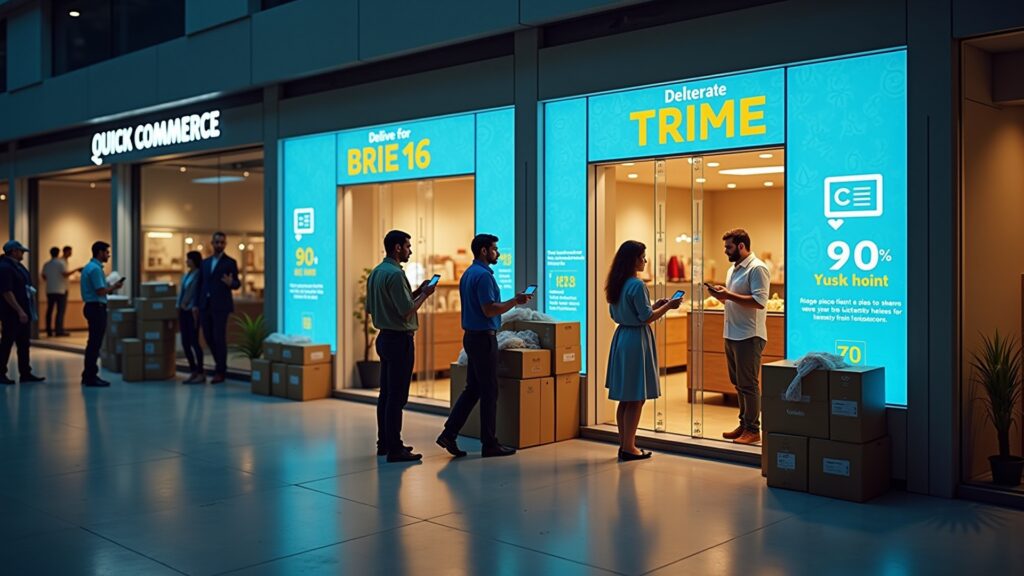
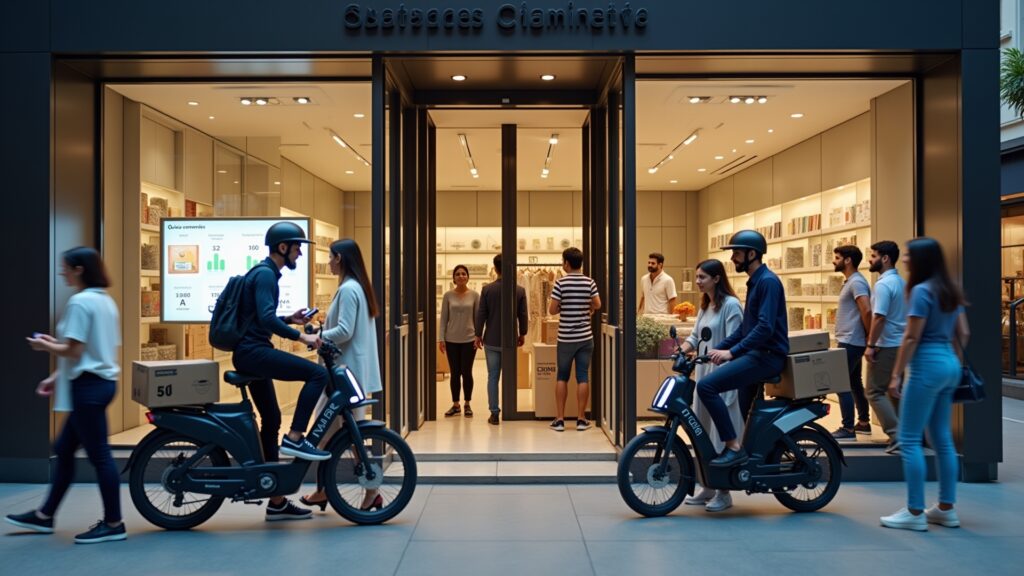
Quick commerce emphasizes ultra-fast delivery of essentials and curated products, leveraging high-density micro-fulfillment centers often located close to urban consumers. This model accelerates fulfilment times to under an hour, a stark contrast to conventional retail and e-commerce timelines. As a result, it redefines consumer demand patterns, placing a premium on convenience, immediacy, and seamless digital-to-physical integration.
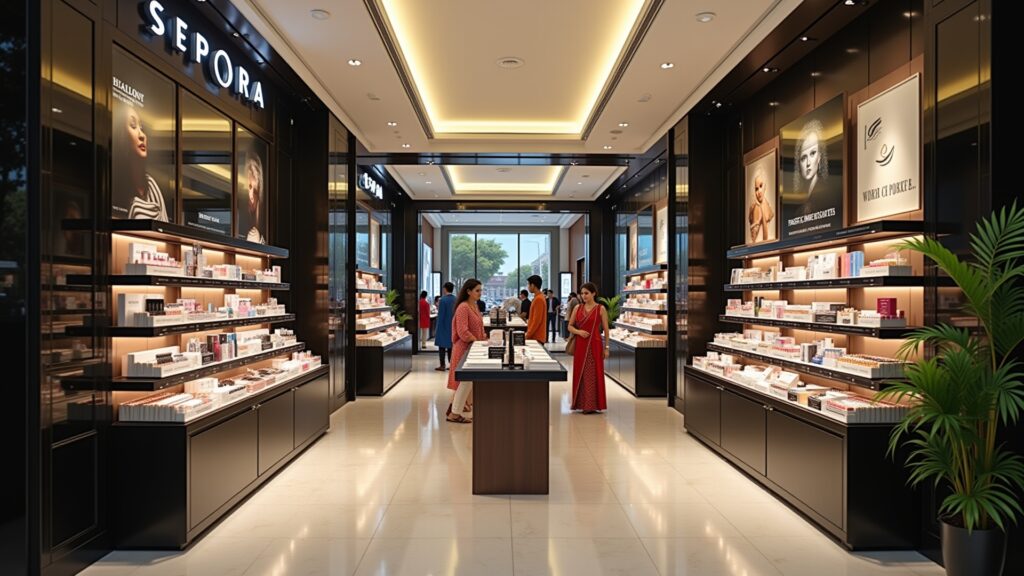
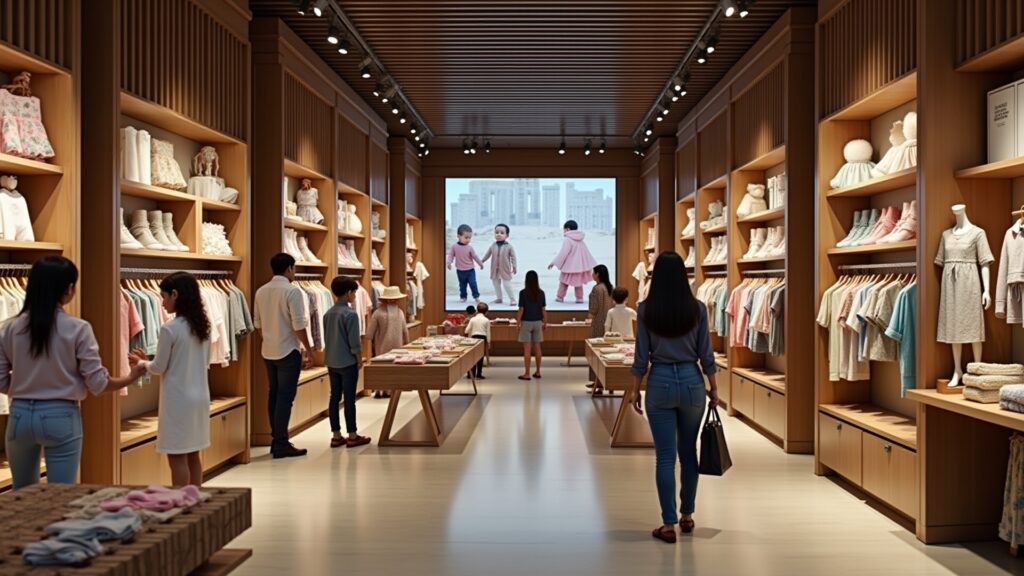
From a strategic perspective, retailers must reconsider both their store formats and supply chain models. Micro-fulfillment hubs integrated within or near shopping districts and residential clusters offer dual benefits: enhanced last-mile efficiency and new avenues for experiential retail. For high-street and mall operators, partnering with q-commerce entities presents opportunities to increase footfall and adapt leasing models to support smaller, tech-enabled formats that offer higher turnover and better space utilization.
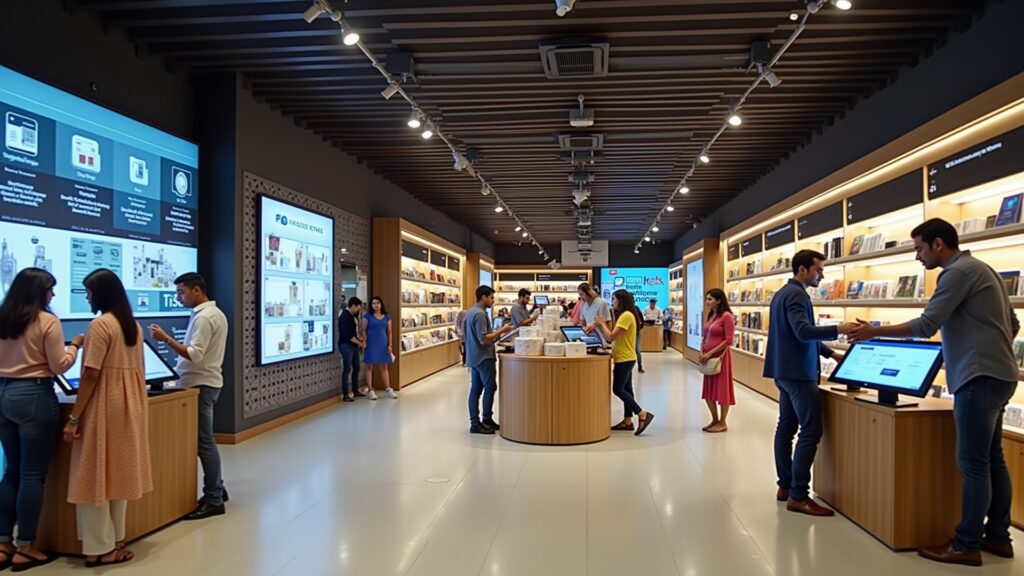
The quick commerce wave also accelerates the urgency for omnichannel adoption. Brands with mature digital capabilities that blend inventory visibility, real-time demand sensing, and personalized marketing can optimize assortment and reduce inventory holding costs while sustaining service excellence. This operational agility is crucial as consumer preference shifts towards instant gratification without compromising on quality or choice.
For investors and business leaders alike, the rise of quick commerce signals a shift towards more capital-efficient, data-driven retail models that align with urbanization and the growing e-commerce penetration in Tier 2 and Tier 3 cities in India. Successful integration of quick commerce strategies can lead to improved customer lifetime value, faster inventory turns, and enhanced margin structures.
In conclusion, quick commerce is not merely a faster delivery trend but a strategic catalyst redefining retail’s growth trajectory in India. Retailers, brand owners, and real estate stakeholders must collaboratively innovate store formats, embrace digital supply chain integration, and enhance consumer engagement to thrive in this accelerating ecosystem.