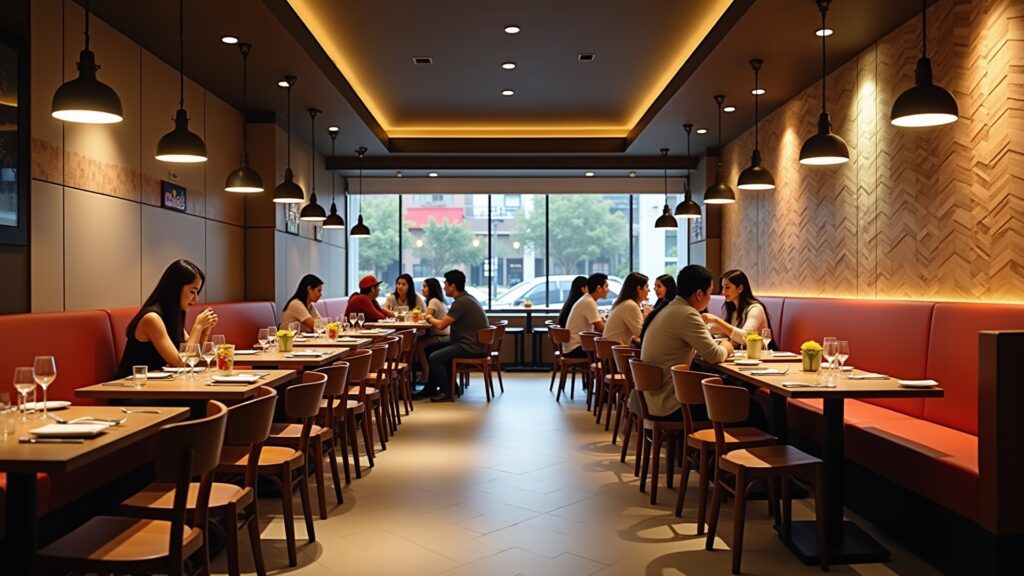
The entry of popular global casual dining chain Chili’s into India marks a notable development for the organized retail and foodservice sector. As India’s consumer market grows in sophistication, international brands such as Chili’s see strategic value in expanding into this dynamic and expanding market.
Chili’s, owned by Brinker International, is known for its Tex-Mex offerings and casual dining experience, which has found success globally. Its move into India reflects a broader pattern of international brands eyeing tier-1 and tier-2 urban centers as key growth nodes for food and retail expansion.
Strategic Implications for Organized Retail and F&B Expansion
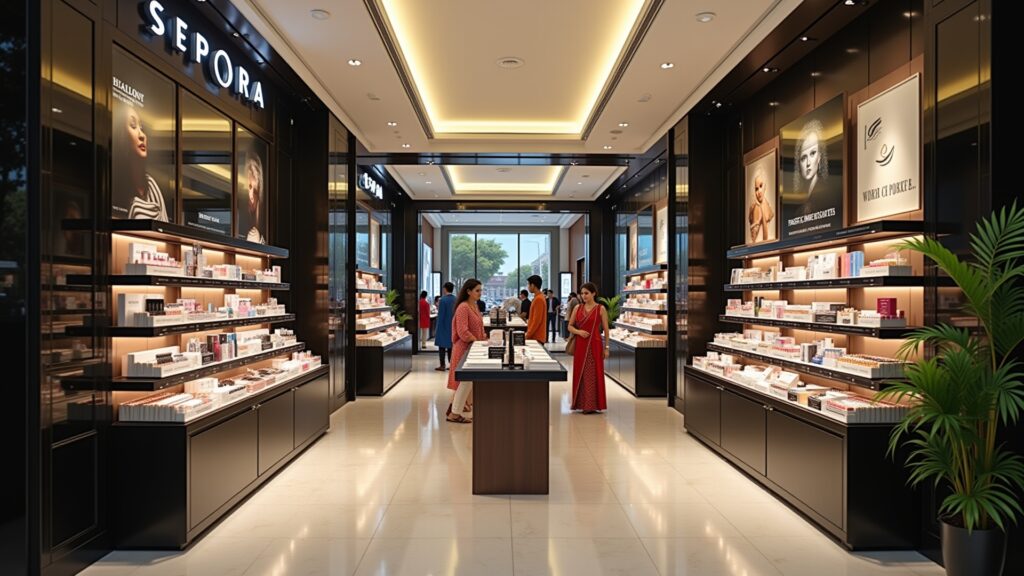
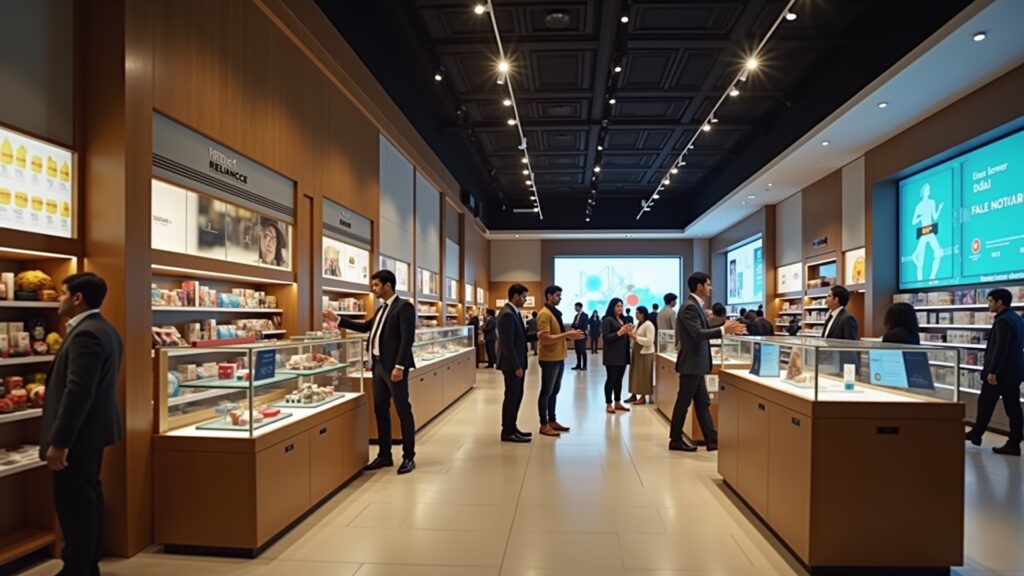
The entry of Chili’s into India aligns with the rising consumer demand for diverse and premium casual dining options supported by organized retail growth. This reflects a dual trend in the Indian market: consumers increasingly seeking international dining experiences, and retail landlords and mall operators prioritizing differentiated brand mixes to enhance footfalls and customer engagement.
For retail real estate stakeholders, bringing in well-known international F&B brands like Chili’s can boost mall and high-street attractiveness, stimulating longer dwell times and higher spend per visit. For brand and retail executives, the Indian market presents opportunities and challenges including localization of menus, supply chain adaptation, and omnichannel integration with digital ordering platforms.
The Role of Omnichannel and Technology
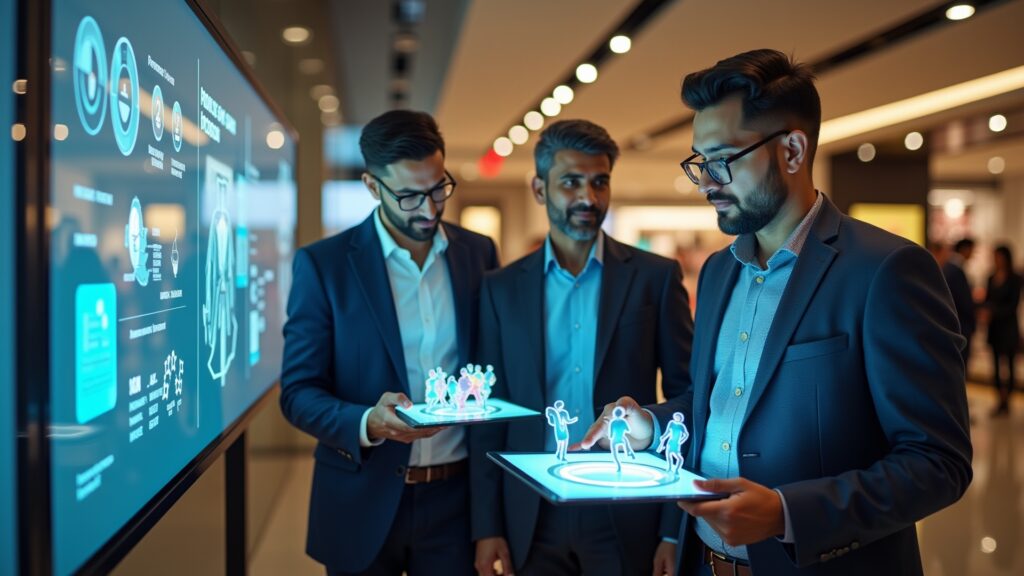
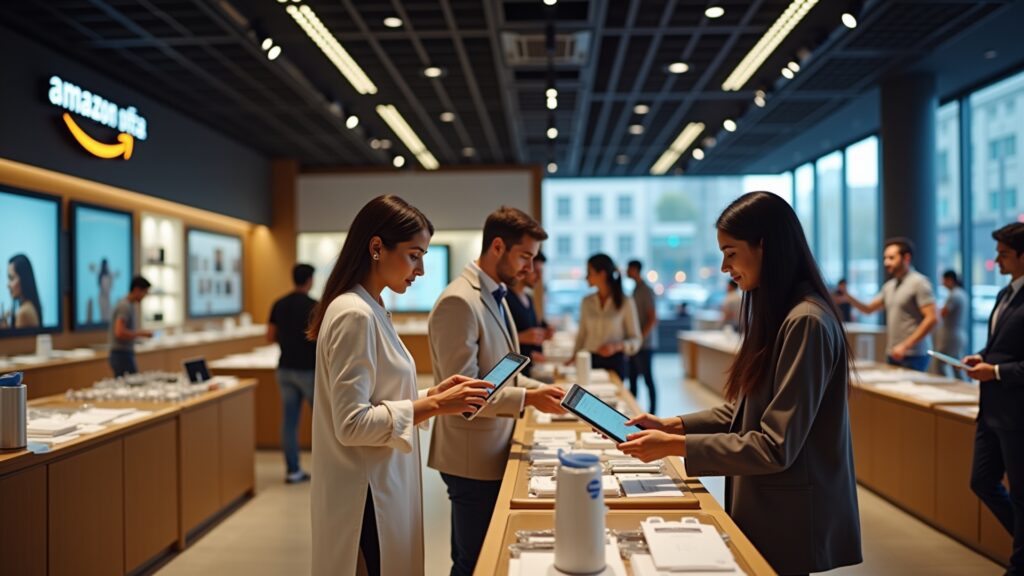
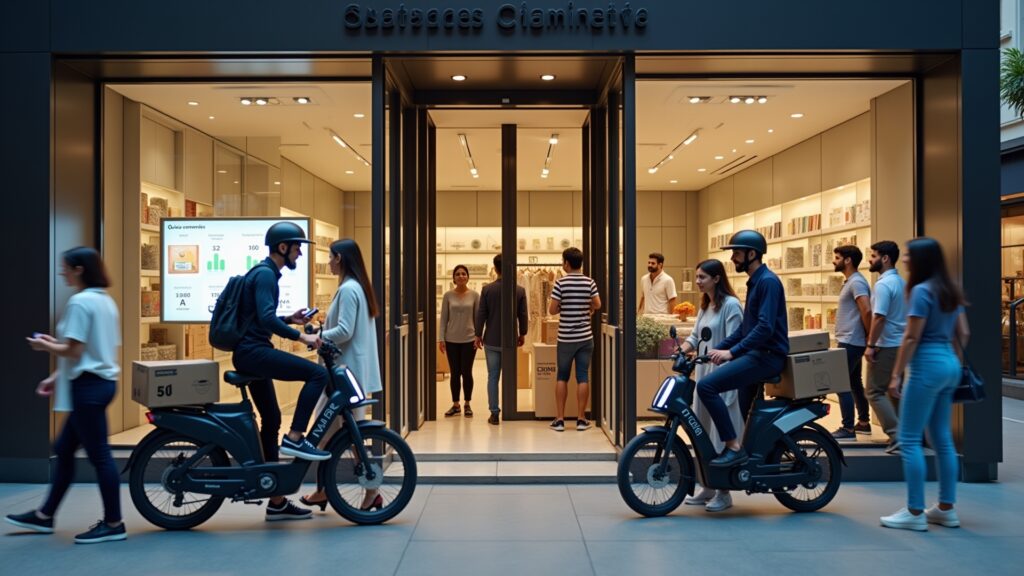
The growth of quick commerce and digital ordering platforms significantly impacts how international dining chains operate in India. For Chili’s, leveraging app-based ordering, contactless payments, and dynamic delivery networks will be central to capturing demand from tech-savvy Indian consumers. Integrating these capabilities can improve brand reach, operational efficiency, and consumer convenience.
Consumer Demand and Market Dynamics
Indian consumers are showing a strong inclination towards premiumization alongside value buying, especially in metro and growing urban centers. Brands like Chili’s stand to benefit from this by positioning themselves as aspirational yet accessible dining options. Additionally, the rising middle class and young working professionals create a robust target segment for casual dining and experiential retail formats.
Conclusion: A Benchmark for Future Growth and Innovation
Chili’s entrance into the Indian market underscores the increasing globalization and maturation of India’s retail and F&B sectors. For retail and brand leaders, this move serves as both a benchmark and a signal: investing in innovation, omnichannel strategy, and localized execution will be essential to winning in this complex market.
Moving forward, the success of international dining brands in India will depend on how well they balance global brand standards with local consumer insights, optimize their store and digital strategies, and leverage technology to meet evolving expectations. The intersection of retail real estate, consumer demand, and digital innovation remains critical for future growth and leadership.