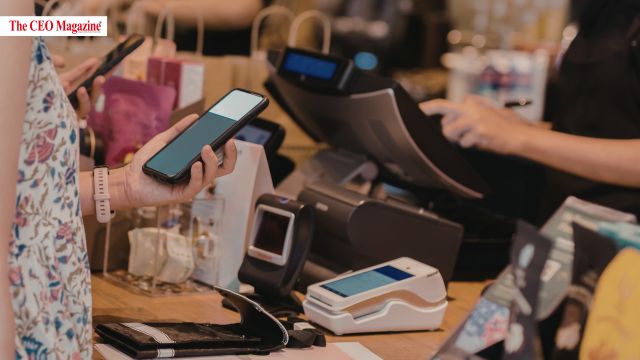
Most retailers underestimate the significance of effective POS data management in optimizing operations and enhancing customer experiences. By implementing best practices in this area, you can ensure that your data is not only accurate but also actionable, driving informed decision-making. This guide presents ten imperative strategies to streamline your POS data management, enabling you to harness its full potential and improve your retail performance.
Key Takeaways:
- Implement robust data security measures to protect sensitive customer information.
- Regularly analyze POS data to identify trends and optimize inventory management.
- Integrate POS systems with other business operations for streamlined management and reporting.
Understanding POS Data
Effective management of POS data begins with a clear understanding of what it entails. This data serves as the backbone of your retail operations, providing insights into sales trends, customer preferences, and inventory turnover. By leveraging this information, you can make informed decisions that enhance customer experiences and drive revenue growth.
Definition and Importance
POS data refers to the information collected at the point of sale, capturing transaction details, customer interactions, and product performance. The importance of this data lies in its ability to guide business strategies, optimize inventory, and enhance marketing efforts, ultimately leading to increased profitability.
Types of POS Data
There are several types of data generated by POS systems, each offering valuable insights for your retail business. These include sales data, customer data, inventory data, employee performance data, and payment data. Understanding the different types helps you tailor your strategies effectively to meet consumer demands and streamline operations.
- Sales Data: Tracks total sales, item sales, and transaction counts.
- Customer Data: Includes demographics, purchase history, and loyalty program interactions.
- Inventory Data: Manages stock levels, product availability, and turnover rates.
- Employee Performance Data: Measures sales performance and customer service metrics.
- Payment Data: Records payment methods, transaction times, and returns.
| Type |
Description |
| Sales Data |
Details on total revenue and item specifics. |
| Customer Data |
Information about customer demographics and preferences. |
| Inventory Data |
Insights on stock levels and item turnover. |
| Employee Data |
Performance metrics of staff members and their sales contributions. |
| Payment Data |
Records on payment methods and transactions. |
Knowing the types of POS data at your disposal is key to leveraging its insights effectively. Each type of data provides a window into different aspects of your retail operations, allowing you to target marketing efforts, adjust inventory, and improve customer service. For instance, by analyzing sales and inventory data, you can identify best-selling products and optimize stock levels, ensuring you meet customer demands without overstocking.
- Sales data drives product promotions and pricing strategies.
- Customer insights enable personalized shopping experiences.
- Inventory metrics help maintain optimal stock levels.
- Employee performance data can lead to targeted training programs.
- Payment trends inform your financial reporting and cash flow management.
| Data Type |
Key Insights |
| Sales Analytics |
Identifies peaks in sales patterns for future promotional activities. |
| Customer Behavior |
Reveals preferences leading to tailored marketing strategies. |
| Stock Management |
Aids in reducing excess stock and minimizing stockouts. |
| Employee Sales |
Highlights high performers for recognition and incentive programs. |
| Financial Transactions |
Guides financial forecasting and revenue analysis. |
Data Security Measures
To protect sensitive customer data effectively, implementing stringent data security measures is important. These measures safeguard against breaches, ensuring that your retail operations maintain customer trust and comply with industry regulations. By prioritizing data security, you position your business to mitigate risks and maintain a robust reputation in the competitive retail landscape.
Encryption and Compliance
Utilize encryption methods to secure data both in transit and at rest. Adhering to standards like PCI DSS ensures compliance with regulations governing payment security. This protects not only your customers’ information but also shields your business from potential financial liabilities stemming from data breaches.
Access Control Protocols
Implementing strict access control protocols is vital for protecting your POS data. Restrict access to sensitive information only to authorized personnel, using role-based permissions to ensure that employees have access only to the data necessary for their roles. This minimizes the risk of insider threats and accidental data exposure.
Your access control protocols should include regular audits and updates, ensuring that user permissions reflect changing roles within your organization. Multi-factor authentication adds an extra layer of security, making it more challenging for unauthorized users to access sensitive information. Consider employing a centralized management system to streamline these controls, enabling real-time monitoring of data access and facilitating immediate responses to suspicious activities. This proactive approach strengthens your overall data security strategy and enhances your defenses against potential breaches.
Data Integration Strategies
Implementing effective data integration strategies is necessary for leveraging POS data to enhance retail operations. By consolidating data from multiple sources, you gain actionable insights that drive decision-making and improve customer experiences. Integration supports real-time data visibility, enabling faster response to trends and optimizing inventory management.
Centralized Data Management
Centralized data management allows you to bring all your POS data into a single repository. This approach simplifies data handling, ensuring consistency and accuracy across the board. With a unified view of sales, inventory, and customer data, you can easily analyze performance and adjust strategies as needed, leading to more informed business decisions.
Integration with Other Systems
Integrating your POS system with other operational platforms enhances efficiency and data harmony. Linking your POS with inventory management, accounting, and CRM systems creates a seamless flow of information, guiding your business through strategies that align with actual sales data and customer preferences.
This integration not only streamlines processes but also eliminates data silos. For instance, connecting your POS to an inventory management solution can automate stock level updates based on sales data, reducing overstock or stockouts. Similarly, linking your POS to a CRM system allows you to tailor marketing strategies based on purchasing behavior, increasing customer retention rates. These integrations can provide deeper insights into trends, allowing you to make proactive adjustments to your product offerings or marketing campaigns to optimize sales outcomes.
Data Analysis Techniques
Analyzing POS data effectively allows you to uncover insights that drive business growth and improve customer satisfaction. By employing various data analysis techniques, you can identify trends, forecast demand, and optimize inventory management. Data visualization tools can help highlight metrics that matter most to your retail strategy, enabling you to make informed decisions swiftly based on your unique data landscape.
Leveraging Analytics Tools
Incorporating specialized analytics tools can significantly enhance your ability to interpret POS data. Tools like Google Analytics, Tableau, or specific retail analytics platforms enable you to process large volumes of data, track customer behaviors, and discover actionable insights. By customizing dashboards, you can focus on the KPIs that align with your business goals, making your analyses more impactful.
Real-Time Data Utilization
Utilizing real-time data transforms how you manage your retail operations. This approach allows you to make swift decisions, tailoring your strategies to the current market conditions and consumer behaviors. For instance, knowing what products are selling well at any moment can guide your restocking processes and promotional efforts.
Implementing real-time data utilization can lead to a more agile retail environment. For example, a clothing retailer using real-time sales data from their POS system can identify trending items and adjust inventory orders immediately, reducing stockouts and excess inventory. Moreover, personalizing customer experiences becomes easier; using real-time purchase behavior, you can send targeted promotions to shoppers while they are in-store, boosting engagement and conversion rates. By prioritizing real-time data, you enhance responsiveness to market trends and consumer needs, ultimately driving sales and enhancing customer satisfaction.
Employee Training and Best Practices
An informed staff is vital for efficient management of POS data in retail. Your team’s familiarity with the systems and processes not only enhances productivity but also minimizes errors. Investing in their training ensures that they can utilize the data effectively to improve customer interactions and streamline operations.
Importance of Staff Training
Training your staff on POS systems leads to better data accuracy and operational efficiency. Employees who understand data management are more likely to capture necessary information correctly, handle discrepancies promptly, and contribute to informed decision-making processes in your retail environment.
Establishing Standard Operating Procedures
Creating and maintaining Standard Operating Procedures (SOPs) for your POS data management is necessary. SOPs guide your employees in consistently handling transactions, managing data, and ensuring compliance with data protection regulations. A clear set of procedures fosters accountability and standardization across your team.
When establishing SOPs, ensure they cover all aspects of POS data handling, including transaction processing, data entry protocols, and reporting formats. Incorporate specific examples and scenarios that employees might encounter to make the procedures as practical as possible. Reviewing and updating these SOPs regularly is important, as it keeps your staff aligned with best practices and adapts to any changes in technology or regulatory requirements, ultimately leading to greater efficiency and accuracy in managing POS data.
Regular Auditing and Maintenance
Conducting regular audits and maintenance of your POS data system is imperative for ensuring accuracy and operational efficiency. This process helps identify discrepancies, improves compliance with regulatory standards, and enhances the overall reliability of data management. Establishing a routine schedule for these audits allows you to catch potential issues early, facilitating ongoing system improvements and better decision-making.
Importance of Regular Audits
Regular audits play a vital role in maintaining the integrity of your POS data. They help pinpoint errors and inconsistencies, which can significantly affect your financial reporting and inventory management. By investing time in audits, you ensure that your business operates on accurate information, which ultimately strengthens your competitive edge in the market.
Corrective Action Plans
Implementing corrective action plans is critical once you identify issues during data audits. These structured responses outline the steps needed to rectify any problems found, ensuring that similar issues do not arise in the future. A proactive approach to problem-solving fosters a culture of continuous improvement within your operations.
Additional insights into corrective action plans emphasize the importance of a systematic approach. For example, once discrepancies are detected, document the findings and categorize their severity. Assign responsibility to team members for addressing each issue, set timelines for resolution, and track progress rigorously. This accountability ensures that your corrective measures are effective and sustainable. Using data-driven insights to review the success of your actions can lead to enhanced processes and stronger decision-making frameworks moving forward.
Conclusion
From above, you can see that implementing the 10 best practices for managing POS data in retail will significantly enhance your operational efficiency and customer experience. By focusing on data accuracy, security, and analysis, you position your business for informed decision-making and strategic growth. Prioritize regular training for your staff and utilize technology to streamline processes. With these practices in place, you can transform your POS data into a powerful tool that drives success and fosters loyalty among your customers.
FAQ
Q: What are the crucial components of POS data management in retail?
A: Essential components include data collection methods, data storage solutions, data processing systems, reporting tools, and analytics capabilities. Each component must work effectively to offer insights into sales trends, customer behavior, and inventory management.
Q: How can retail businesses ensure data security for their POS systems?
A: Retail businesses can ensure data security by implementing encryption protocols, conducting regular system audits, utilizing secure payment gateways, and providing staff training on recognizing phishing attempts. Additionally, establishing strict access controls will help limit data exposure.
Q: What role does employee training play in managing POS data?
A: Employee training is vital for ensuring that staff are proficient in using POS systems and understand the importance of accurate data entry. Training also enhances awareness of data security practices, reducing the risk of human errors that could compromise data integrity.