It’s important to recognize the visionaries who have transformed the retail landscape. In this post, you’ll explore the journeys of ten entrepreneurs whose innovative strategies and bold ideas have reshaped how you shop. These pioneers not only adapted to changing consumer behaviors but also set new standards for the industry, demonstrating that entrepreneurship can drive significant change in retail. Get ready to learn about the minds behind your favorite shopping experiences and the impact they’ve made on the marketplace.
Key Takeaways:
- Innovative business models, such as direct-to-consumer and subscription services, transformed customer engagement and streamlined operations.
- Technology integration, including e-commerce platforms and data analytics, reshaped inventory management and personalized shopping experiences.
- Sustainability and ethical practices became key differentiators, attracting a more conscious consumer base and driving brand loyalty.
The Pioneers of Retail Innovation
Pioneering Entrepreneurs
Innovators like Sam Walton and Jeff Bezos transformed the retail landscape through visionary strategies. Walton introduced the concept of discount retailing with Walmart, emphasizing cost leadership and distribution efficiency. Bezos, through Amazon, revolutionized e-commerce, creating a customer-centric platform that changed how you shop online. Their approaches not only drove immense revenue growth but also set new standards for customer service and inventory management.
Key Innovations Introduced
Retail pioneers implemented groundbreaking ideas such as barcode scanning, e-commerce platforms, and omnichannel shopping experiences. These innovations streamlined operations and improved customer engagement, enabling businesses to reach broader audiences and enhance customer satisfaction. For instance, the introduction of Amazon Prime not only simplified shopping but also fostered brand loyalty, with over 200 million subscribers as of 2023.
Barcodes, introduced in the 1970s, revolutionized inventory management, reducing checkout times and minimizing human error. With the rise of the internet, e-commerce became dominant; Amazon’s personalized recommendations and user-friendly interface set benchmarks that transformed consumer expectations. The omnichannel experience, blending in-store and online shopping, further solidified customer loyalty. The successful integration of these technologies illustrates the innovative spirit that continues to drive the retail industry forward.
The Rise of E-Commerce
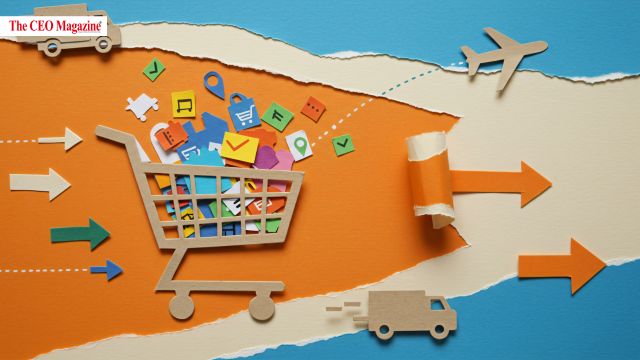
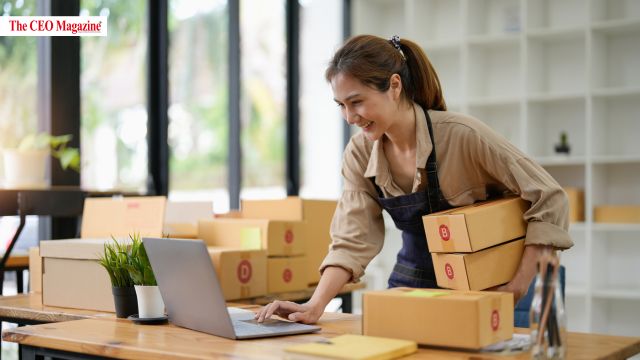
E-commerce has revolutionized how you shop, transforming traditional retail methods through the convenience of online transactions. With an annual growth rate exceeding 15% over the last decade, online sales have surged, increasingly outpacing in-store purchases. In 2021 alone, e-commerce sales reached over $4.9 trillion worldwide, demonstrating a fundamental shift in consumer behavior that prioritizes accessibility and speed instead of physical store visits.
Digital Transformation in Retail
The digital transformation in retail integrates advanced technologies to enhance customer experience and operational efficiency. You benefit from artificial intelligence, data analytics, and personalized marketing strategies that optimize your shopping experience, making it smoother and more engaging. Companies implementing these technologies have reported increases in sales and customer loyalty, highlighting their importance in today’s competitive landscape.
Notable E-Commerce Entrepreneurs
<p.E-commerce’s landscape features prominent entrepreneurs who have reshaped industry standards. Jeff Bezos founded Amazon in 1994, pioneering an online marketplace that now offers everything from books to groceries. Another example, Alibaba’s Jack Ma, revolutionized online shopping in China, making e-commerce accessible to millions. These leaders have set benchmarks in innovation and customer service, influencing countless startups and established brands alike.
The Impact of Technology on Retail
You’ve witnessed how technology reshapes retail, elevating customer experiences and streamlining operations. From mobile apps to AI-driven recommendations, retailers are leveraging innovative solutions to enhance interaction and personalization. With digital payment systems and inventory management software, efficiency has increased significantly, making your shopping experience smoother and faster. This integration allows retailers to analyze consumer behavior data, forecast trends, and optimize supply chains, thus ensuring you find what you need when you want it.
Integrating Technology into Shopping
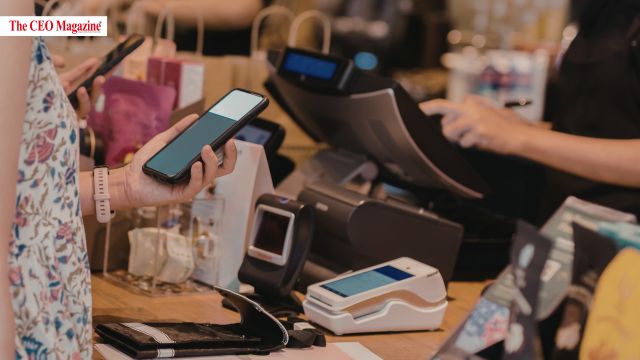
You can see the seamless integration of technology in retail spaces, from virtual fitting rooms to chatbots assisting with purchases. Utilizing augmented reality (AR), brands provide virtual try-ons, enabling you to visualize products in real time before buying, resulting in more confident purchases. Technologies like RFID tracking improve inventory accuracy, while mobile wallets streamline checkouts, saving you time and enhancing convenience.
Game-Changing Tech Entrepreneurs
Tech entrepreneurs like Jack Ma of Alibaba and Shopify’s Tobias Lütke have pioneered innovative solutions that reshape how you shop online. Their platforms not only provide unique marketplaces for millions of sellers but also integrate features that personalize your shopping journey. With both companies focused heavily on user experience, they have set new standards for engagement and convenience in retail.
Jack Ma’s Alibaba, for instance, revolutionized the way you experience global shopping by connecting buyers and sellers seamlessly, while also enhancing logistics through cutting-edge technology. Tobias Lütke’s Shopify empowers individual entrepreneurs by providing user-friendly e-commerce tools, allowing you to launch online stores without extensive tech knowledge. Together, these innovators and their companies have profoundly impacted retail, emphasizing direct consumer engagement and leveraging technology to cater to evolving shopping preferences. Your shopping habits continue to evolve thanks to the innovations driven by these game-changing entrepreneurs.
Sustainability in Retail
As consumer awareness grows, sustainability has become a cornerstone in modern retail. You are likely noticing brands that prioritize eco-friendly practices and commit to reducing their environmental impact. This shift is reshaping how products are sourced, packaged, and sold, pushing companies to innovate and adapt or risk obsolescence.
Eco-Friendly Business Models
Incorporating eco-friendly business models, retailers leverage sustainable sourcing, zero-waste manufacturing, and circular economy principles. By rethinking supply chains, these businesses minimize carbon footprints while appealing to environmentally conscious consumers. Companies implementing such strategies often report not only reduced waste but also increased customer loyalty and satisfaction.
Entrepreneurs Leading Sustainability Efforts
Pioneers like Stella McCartney and Eileen Fisher exemplify entrepreneurs leading the charge in sustainable retail. They integrate ethical practices into their brands, advocating for responsible production and transparency. This commitment resonates with consumers, encouraging a shift towards greener choices and inspiring other businesses to follow suit.
The impact of entrepreneurs like Stella McCartney extends beyond fashion; she champions sustainable textiles, actively reducing the industry’s ecological impact. Eileen Fisher focuses on creating a closed-loop system, urging customers to return used garments for recycling. Their innovative approaches not only elevate brand values but also motivate others to prioritize sustainability, demonstrating that profitability and environmental responsibility can coexist.
The Experience Economy
Your shopping journey has evolved into an immersive experience, where engagement and personal connection play pivotal roles. The experience economy centers on creating memorable interactions that go beyond merely purchasing products. Brands are now tasked with developing environments that resonate with customers, making their experiences uniquely enjoyable and deeply personal.
Personalization and Customer Experience
Personalization has become a central tenet in enhancing customer experience, with retailers utilizing data analytics to tailor offerings directly to consumer preferences. This approach not only boosts customer satisfaction but also fosters brand loyalty, as you find products that align with your individual tastes and lifestyle. Brands like Stitch Fix and Netflix exemplify this strategy by curating selections based on your past behavior and feedback.
Entrepreneurs Who Reshaped Retail Experiences
Visionary entrepreneurs such as Howard Schultz and Sara Blakely transformed retail experiences by focusing on customer-centric innovations. Schultz’s Starbucks redefined the coffee shop context, creating a community-focused atmosphere, while Blakely’s Spanx revolutionized women’s shapewear by emphasizing fit and comfort. These leaders prioritized customer feedback and emotional connection, shaping how you perceive and interact with retail spaces.
Howard Schultz’s Starbucks serves as a prime example of reshaping retail through experience, where each cafe acts as a third place, inviting you to relax and connect. The inviting ambiance, personalized beverages, and barista interactions are all crafted to enhance your experience. Similarly, Sara Blakely’s Spanx, known for its innovative product design and campaigns focusing on body positivity, redefined the women’s apparel industry. By prioritizing comfort and fit, these entrepreneurs have not only transformed retail but also set new standards in customer engagement and satisfaction.
Globalization of Retail
Globalization has reshaped retail, allowing brands to transcend borders and cater to diverse markets. As entrepreneurs explore international opportunities, they adapt their products and strategies to local cultures and consumer preferences, capturing a global audience. Efforts to enhance supply chains and logistics have facilitated this expansion, enabling retailers to deliver consistent experiences across multiple regions.
Expansion into International Markets
When you think of retail giants, international expansion often comes to mind. Companies like Zara and Starbucks have successfully entered foreign markets by tailoring their offerings to local tastes while maintaining a strong brand identity. This strategy has not only increased their footprint but also generated significant revenue from diverse customer bases worldwide.
Entrepreneurs with a Global Vision
Visionary entrepreneurs drive the globalization of retail, pushing boundaries to cultivate global brands. Figures like Alibaba’s Jack Ma and Inditex’s Amancio Ortega exemplify how an understanding of cultural nuances and market demands can lead to success on an international stage. Their innovative approaches not only adapt to local markets but also set trends that resonate globally.
Strategically, these entrepreneurs harness technology and data analytics to assess international opportunities and consumer behavior. For instance, Jack Ma’s insight into e-commerce in China enabled Alibaba to dominate the market by catering specifically to local shopping habits. Likewise, Amancio Ortega’s fast fashion model, with its rapid inventory turnaround, allows Zara to maintain relevance and appeal in various cultural contexts. Their commitment to understanding and embracing different markets has redefined retail on a global scale, elevating both brand visibility and financial success.
Conclusion
With this in mind, you’ve explored the transformative impact of ten remarkable entrepreneurs who have redefined the retail industry. Their innovative strategies and forward-thinking approaches offer valuable insights for you as you consider your own business endeavors. By understanding their journeys, you can identify opportunities for growth and evolution in your retail ventures. Embrace these lessons to navigate the ever-changing landscape of retail and position yourself for success.
FAQ
Q: Who are some of the most influential entrepreneurs in the retail industry?
A: Ten key entrepreneurs who have redefined the retail industry include Jeff Bezos, founder of Amazon; Sam Walton, creator of Walmart; Howard Schultz, former CEO of Starbucks; Indra Nooyi, former CEO of PepsiCo; Ingvar Kamprad, founder of IKEA; Rachael Ray, influencer in the food retail segment; Richard Branson, founder of Virgin Group; Francesca Libbey, innovative retailer in home goods; Phil Knight, co-founder of Nike; and Elon Musk, known for disruptions in retail through Tesla’s approach.
Q: How did Jeff Bezos impact the retail landscape?
A: Jeff Bezos transformed the retail landscape by creating Amazon, which introduced e-commerce at scale. His innovative business model emphasized customer experience, speed of delivery, and vast product selection. The implementation of technologies like Amazon Prime and its marketplace platform revolutionized how consumers shop online, setting new industry standards.
Q: What changes did Sam Walton bring to traditional retailing?
A: Sam Walton revolutionized traditional retailing by establishing Walmart as a leader in everyday low pricing and efficiency. He implemented logistics and supply chain innovations, enabling cost savings that were passed on to customers. Walton’s focus on rural locations and community engagement changed the dynamics of brick-and-mortar retailing, making Walmart a retail giant.