Trends in retail design are evolving to create more engaging and functional spaces that cater to your shopping experience. From open-air layouts to immersive technology, modern malls and shopping hubs are transforming to meet your lifestyle demands. This blog post will explore ten key design trends that enhance your shopping journey, offering insights into how these innovations reshape your favorite places to shop, gather, and enjoy leisure activities.
Key Takeaways:
- Integration of technology and interactive experiences enhances customer engagement in modern malls.
- Focus on sustainability and eco-friendly materials is reshaping architectural choices and designs.
- Creation of multifunctional spaces allows for community events and gatherings, elevating the shopping experience.
Experiential Design
Experiential design transforms the way you engage with malls and shopping hubs, prioritizing memorable experiences over mere transactions. By creating environments that stimulate the senses, you find yourself immersed in unique narratives that go beyond traditional shopping. These spaces often incorporate local culture and art, allowing for a deeper connection between your shopping experience and the community surrounding it.
Immersive Spaces
Immersive spaces fully envelop you in curated environments where storytelling comes alive. Think of interactive art installations or themed environments that transport you to different worlds, making your visit feel special and memorable. These areas encourage exploration and interaction, allowing you to discover hidden gems and engage with products in unexpected ways.
Interactive Installations
Interactive installations invite you to participate actively, making the shopping experience dynamic and engaging. These can range from tech-driven displays to art pieces that respond to your movements, creating a two-way conversation that captivates your interest. You become part of the art, showcasing how modern shopping environments blend creativity with consumerism.
Examples of interactive installations include augmented reality experiences, where you can visualize products in a personal context, or digital screens that respond to your touch. Leading malls are incorporating these elements to keep you enthralled; for instance, the Dubai Mall features an immersive VR park that redefines entertainment shopping. These installations not only stimulate your senses but also provide social media opportunities, enhancing your experience and encouraging sharing. Through a blend of innovation and engagement, these installations redefine how you interact with retail spaces, making each visit feel unique and tailored to your preferences.
Sustainability Practices
Sustainability practices are at the forefront of modern mall design, prioritizing eco-friendliness not just in aesthetics but in operational efficiency. You’ll see a growing number of shopping complexes embracing sustainable architecture, reducing their carbon footprint, and fostering a greener consumer culture. This shift includes integrating green spaces and utilizing advanced waste management systems. Your shopping experience now merges seamlessly with a commitment to environmental stewardship.
Eco-friendly Materials
Your shopping environment is increasingly made of eco-friendly materials such as reclaimed wood, recycled metal, and low-VOC paints. These materials not only reduce industry waste but also enhance the aesthetic appeal of spaces. For instance, many malls are featuring bamboo flooring and sustainable insulation, creating a healthier atmosphere for you and the planet alike.
Energy-efficient Technologies
Energy-efficient technologies are transforming how malls operate, from smart HVAC systems to LED lighting. These advancements significantly lower energy consumption and operational costs. High-performance glass windows are also popular, providing natural light while minimizing heat loss. As a consumer, you benefit from reduced costs that can translate to lower prices and a commitment to responsible community development.
Smart building management systems are integral to energy-efficient technologies in shopping hubs. By continuously monitoring and adjusting energy use based on real-time data, these systems optimize lighting, heating, and cooling in response to foot traffic and time of day. For instance, some malls report energy savings of up to 30% annually after implementing these systems. This not only enhances your shopping experience with comfortable environments but also aligns with broader sustainability goals. As you enjoy your time at the mall, you contribute to that energy-conscious mission effortlessly.
Community Integration
Modern malls and shopping hubs are increasingly designed to foster a sense of community, serving as vibrant social centers that encourage local engagement and connections. By incorporating elements that appeal to the surrounding neighborhoods, these spaces create a welcoming atmosphere where shopping becomes just one part of a larger community experience, making them crucial destinations in urban life.
Public Gathering Spaces
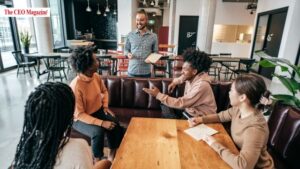
Public gathering spaces within malls are becoming central features, offering areas for events, performances, and community interactions. These spaces often include comfortable seating, greenery, and design elements that promote socialization, effectively transforming shopping environments into lively community hubs where people can connect and engage in shared experiences.
Local Vendor Support
Supporting local vendors has become a hallmark of modern malls, as they provide unique products and foster a sense of local pride. By featuring small businesses and artisans, shopping hubs not only diversify their product offerings but also strengthen community ties, ensuring that local culture is represented and celebrated.
Incorporating local vendor support enriches the shopping experience, allowing you to explore unique, locally-crafted goods that reflect your community’s character. Examples include artisan craft markets or pop-up shops filled with homegrown products, which enhance the mall’s appeal. Moreover, statistics show that local shopping can revitalize neighborhoods; for instance, neighborhoods with malls featuring local vendors see an increase in foot traffic by up to 30%. This approach not only nurtures local economies but also builds a supportive ecosystem around small businesses, further enhancing community cohesion.
Multi-functional Spaces
In contemporary mall design, multi-functional spaces have become a hallmark, dynamically accommodating various activities including shopping, dining, and socializing. These areas are designed to support diverse experiences, such as pop-up markets, community events, and art installations, creating a vibrant atmosphere that attracts different demographics. This flexibility enhances not just foot traffic but also fosters community sentiment, making malls crucial gathering spots.
Retail and Entertainment Fusion
The fusion of retail and entertainment is reshaping how you experience shopping hubs. Modern malls now feature entertainment options like cinemas, arcades, and virtual reality arenas seamlessly integrated with retail spaces. This holistic approach transforms shopping into a day-long experience, encouraging you to linger longer while also significantly boosting sales for retailers.
Flexible Layouts
Flexible layouts are a key component of modern mall design, allowing spaces to adapt to various needs and visitor flows. Malls often incorporate movable walls or modular furniture, enabling quick reconfigurations for seasonal events, exhibitions, or promotions. This adaptability not only maximizes space utilization but also enhances the overall shopping experience, catering to changing consumer behaviors.
Flexible layouts showcase the trend of versatility in space design. For example, malls like The Grove in Los Angeles exemplify this by hosting farmers’ markets and seasonal festivals, transforming retail corridors into vibrant community spaces. By utilizing retractable walls and adjustable furniture, you’ll find that these environments are not just static retail spaces; they promote dynamic interactions. Retailers benefit, too, as the ability to host special events or collaborations can drive traffic and create buzz, proving that adaptability in design can lead to sustained profitability and customer loyalty.
Advanced Technology Incorporation
Modern malls are increasingly integrating advanced technology to enhance the shopping experience. From augmented reality features that allow you to visualize products in real life to interactive kiosks that provide information and recommendations, technology plays a vital role in elevating consumer engagement. This incorporation often leads to streamlined operations, making your visits more convenient and enjoyable.
- Augmented Reality Experiences
- Interactive Product Displays
- Virtual Try-On Solutions
- Smart Navigation Apps
- Data Analytics for Personalized Offers
| Feature |
Description |
| Augmented Reality Experiences |
Enhances product interaction through immersive visuals. |
| Smart Navigation Apps |
Helps you find your way and locate stores easily within the mall. |
| Data Analytics |
Personalizes shopping experiences based on your preferences. |
Smart Shopping Features
Smart shopping features make your experience seamless and tailored. Innovations include location-based services that guide you to your desired stores, while personalized notifications alert you to exclusive offers based on your shopping habits. These technologies streamline the shopping process, ensuring you find what you need with ease.
Digital Payment Innovations
Digital payment innovations are reshaping how you transact in malls. Contactless payments, mobile wallets, and integrated point-of-sale systems allow for quick, convenient purchases, minimizing wait times at checkout. These advancements provide a seamless connection between your shopping and payment experiences.
You may appreciate that digital payment innovations extend beyond mere convenience. Retailers are increasingly adopting blockchain technology, enhancing transaction security and transparency. With biometric verification systems, your shopping experience becomes not only faster but also safer. As these technologies evolve, expect easier budgeting tools integrated into payment platforms, giving you greater control over your spending while shopping.
Aesthetic Trends
Aesthetic trends shape the visual identity of modern malls and shopping hubs, blending functionality with style. A shift towards inviting environments enhances shopper experience, drawing you into a realm that balances urban life with artful design. From bold color palettes to innovative architectural features, these trends create spaces that are as engaging as they are practical, allowing you to explore and enjoy your surroundings.
Minimalist Design
Minimalist design emphasizes simplicity, favoring clean lines and unobtrusive layouts. This approach not only reduces visual clutter but also enhances your focus on the shopping experience. You’ll often find neutral color schemes and ample open space, creating a serene atmosphere that invites relaxation and contemplation while you browse.
Natural Elements
Integrating natural elements is becoming a staple in mall designs, encouraging a seamless blend between indoor and outdoor environments. Features like living walls, natural light, and water installations create a calming backdrop for your shopping journey, making it a more enjoyable experience.
Natural elements have shown to significantly enhance visitor satisfaction. Studies indicate spaces filled with greenery can reduce stress and improve air quality, making your time in malls more pleasant. For instance, malls like the Shops at Crystals in Las Vegas incorporate lush landscapes and light wells, effectively merging nature with retail. This not only elevates your shopping experience but fosters a stronger connection to the environment, allowing you to appreciate both fashion and nature in one visit.
Summing up
With these considerations, you can appreciate how the evolving design trends are reshaping modern malls and shopping hubs. By focusing on sustainability, community engagement, and enhancing customer experiences, these spaces are becoming more than just retail destinations. You will find that integrating technology, embracing mixed-use environments, and prioritizing aesthetics are all key elements in attracting shoppers. As these trends continue to develop, your understanding of the shopping landscape will help you navigate and enjoy the modern retail experience more fully.
FAQ
Q: What role does technology play in modern mall design?
A: Technology enhances the shopping experience by integrating digital signage, interactive kiosks, and virtual reality zones. These elements help engage customers, provide information, and create a dynamic environment that adapts to consumer needs. Smart parking systems and mobile apps further streamline the shopping process.
Q: How are sustainability initiatives being incorporated into shopping hubs?
A: Modern malls are embracing eco-friendly materials, energy-efficient designs, and green spaces. Implementing solar panels, rainwater harvesting systems, and recycling programs reduces environmental impact, attracting eco-conscious consumers and promoting a sense of community responsibility.
Q: In what ways are social spaces influencing the design of shopping malls?
A: The inclusion of social spaces, such as communal seating areas, performance venues, and event spaces, fosters interaction among visitors. These areas encourage gatherings, enhance customer experience, and transform malls into lifestyle centers where shopping becomes part of a broader social experience.