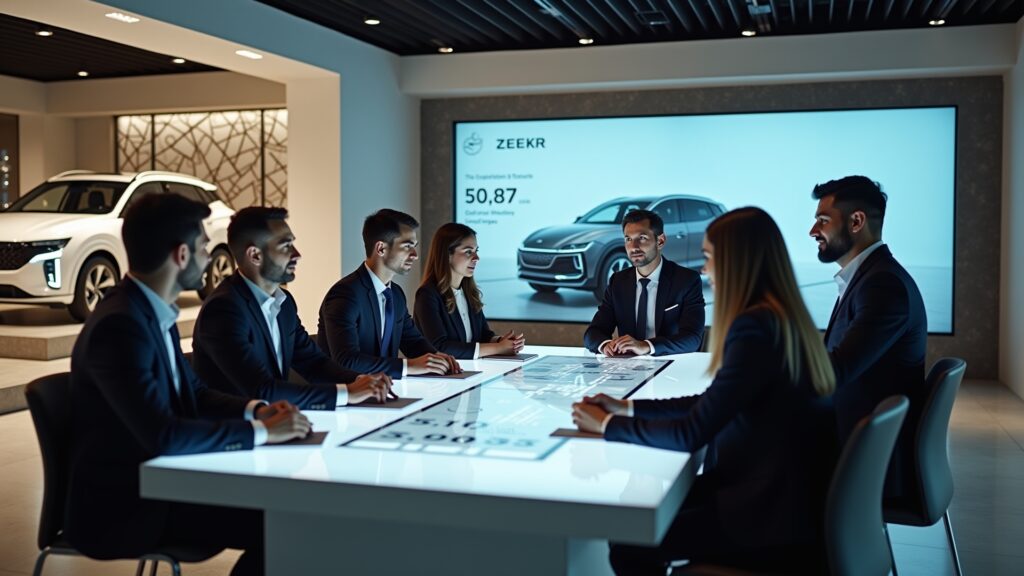
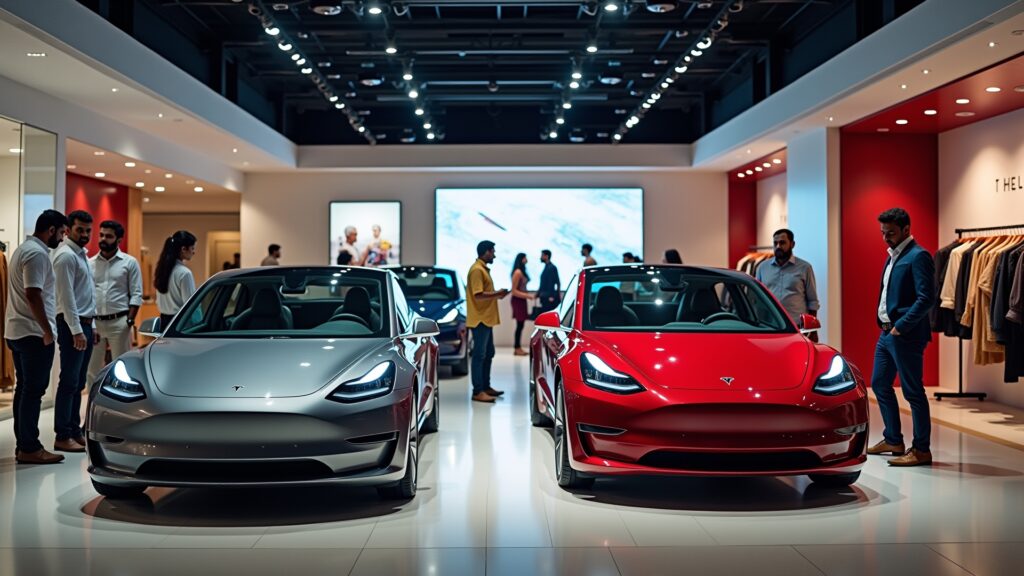
Tesla’s strategic move to expand its presence in India marks a pivotal moment for the country’s organized retail and electric vehicle (EV) markets. This development not only points to the escalating demand for premium and sustainable mobility solutions but also signals potential transformative impacts across India’s retail ecosystems, infrastructure, and consumer behavior.
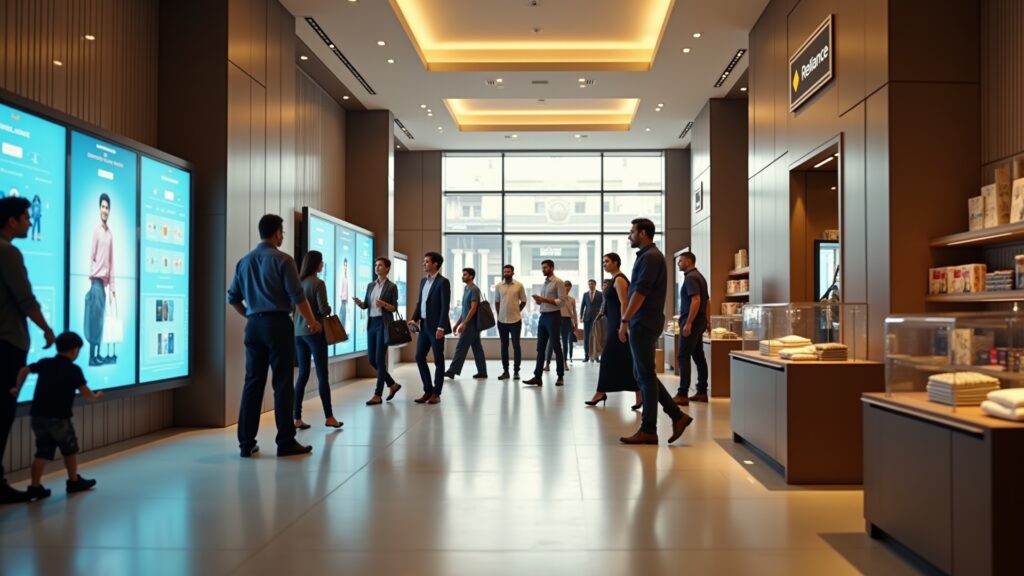
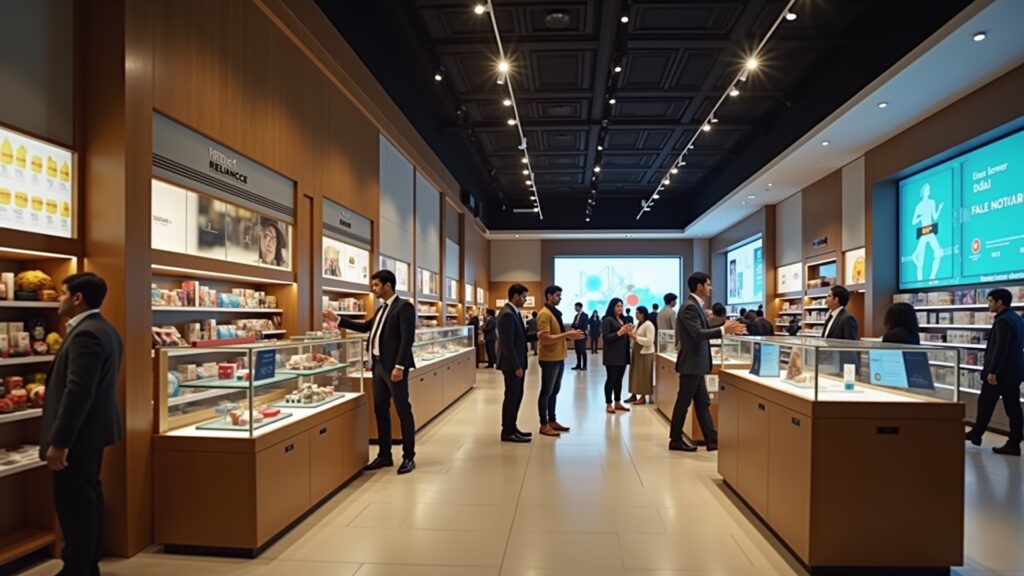
With Tesla aiming to establish a robust footprint in India, retail business owners, brand leaders, and organized retail executives must consider how an influx of EV-focused retail and service centers will influence store expansion strategies and omnichannel retail models. The integration of Tesla’s direct-to-consumer approach challenges traditional retail and distribution frameworks, nudging incumbents towards omnichannel synchronization, personalized customer engagement, and advanced retail technologies.
Strategic Implications for Organized Retail and Store Growth
Tesla’s entry underscores the growing premiumisation trend in Indian retail, where consumer appetite for high-tech, sustainable products is expanding beyond metros into tier-2 and tier-3 cities. For retail real estate stakeholders, this manifests in heightened demand for strategically located showrooms and service hubs that offer experiential retailing aligned with Tesla’s brand ethos.
Moreover, the EV segment’s rapid growth will likely inspire category leaders and merchandising experts to enhance their inventory planning, supply chain agility, and product mix strategies to accommodate the evolving preferences of environment-conscious, tech-savvy consumers.
Omnichannel Retail and Technological Innovation
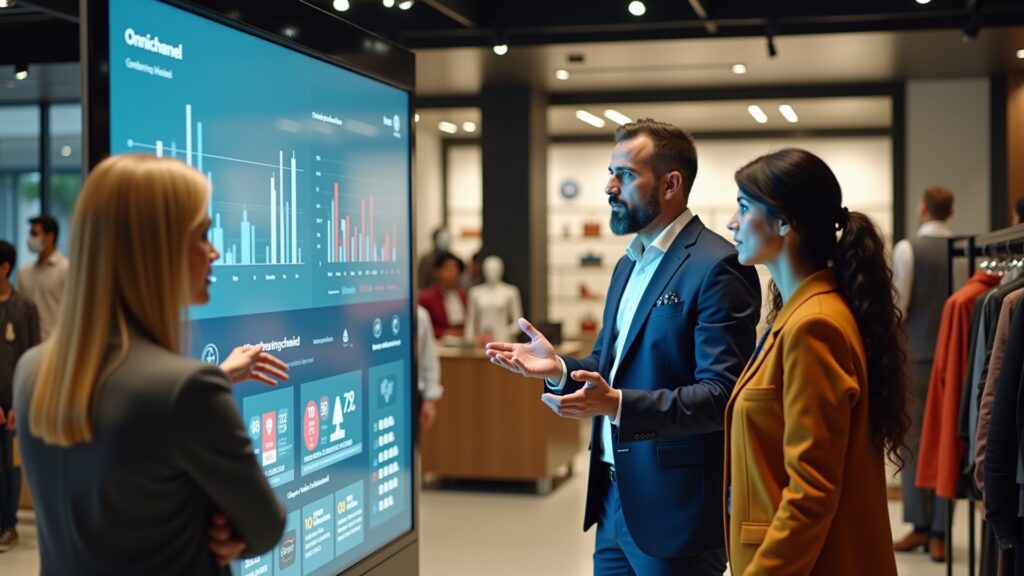
Tesla’s retail model—characterized by a combination of physical stores, digital engagement, and efficient logistics—reflects the rising importance of a seamless omnichannel customer journey. Retailers in related categories should prioritize investments in AI-driven personalization, quick commerce capabilities, and unified payment systems to remain competitive amidst this shift.
This scenario also accentuates the necessity for collaboration between retail operators, technology providers, and policymakers to foster an integrated ecosystem that supports sustainable growth while optimizing customer experience and operational efficiency.
Looking Ahead: Leadership and Market Expansion
As Tesla cements its presence in India, leadership teams across retail and consumer business sectors must evaluate how this influences investment priorities, expansion plans, and partnerships. The company’s approach could serve as a benchmark for scalable, brand-defensible retail ecosystems, driving further market consolidation and innovation.
For investors and policy-makers, Tesla’s move presents both opportunities and challenges in shaping regulations, infrastructure development, and incentive frameworks that accelerate adoption of electric vehicles while fostering robust retail growth.
Conclusion: Tesla’s entry into the Indian market exemplifies the convergence of organized retail expansion, premium consumer demand, and transformative retail technology adoption. Retail strategic decision-makers must leverage these developments to align their growth, merchandising, and omnichannel strategies, positioning themselves competitively as India navigates its evolving retail and mobility landscape.